


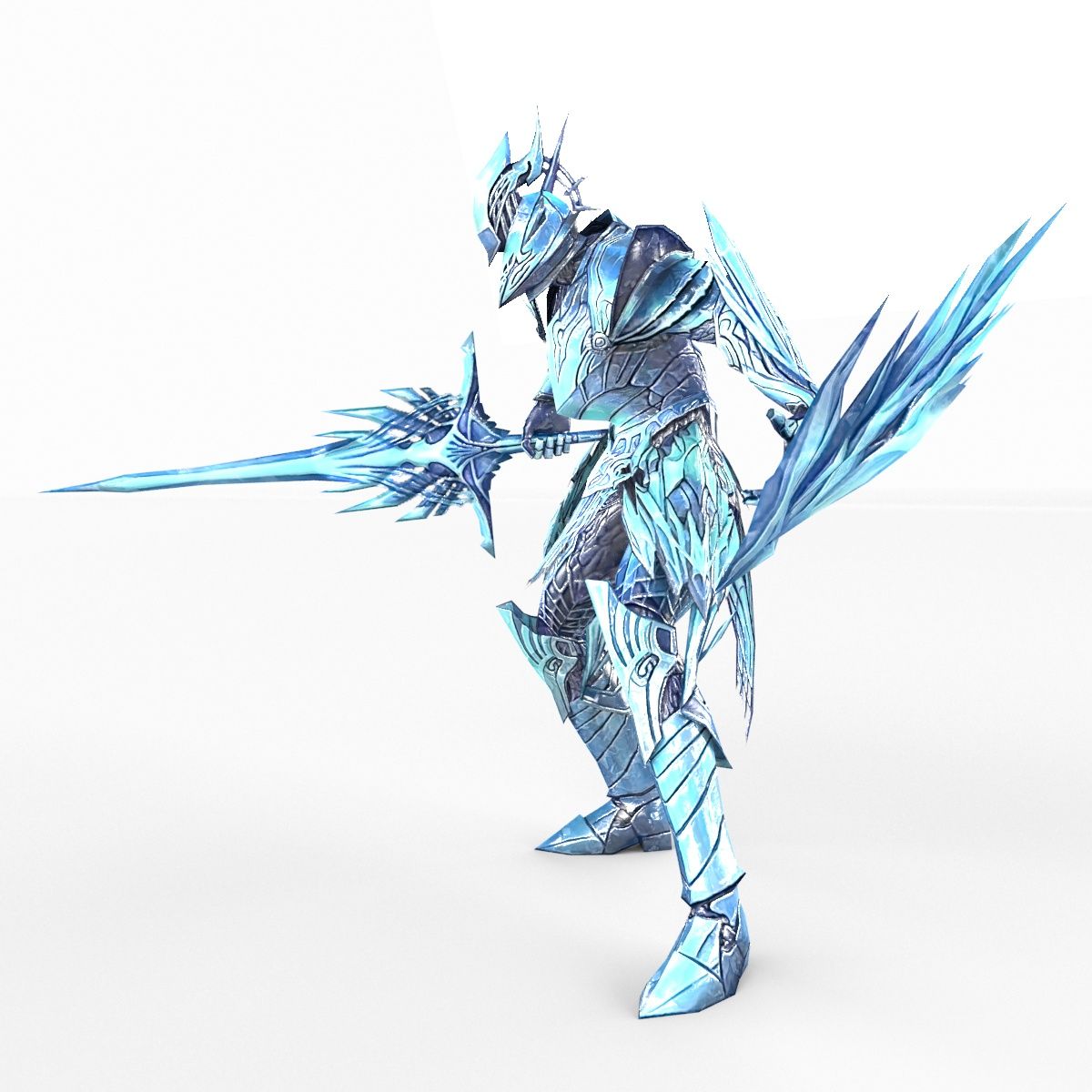
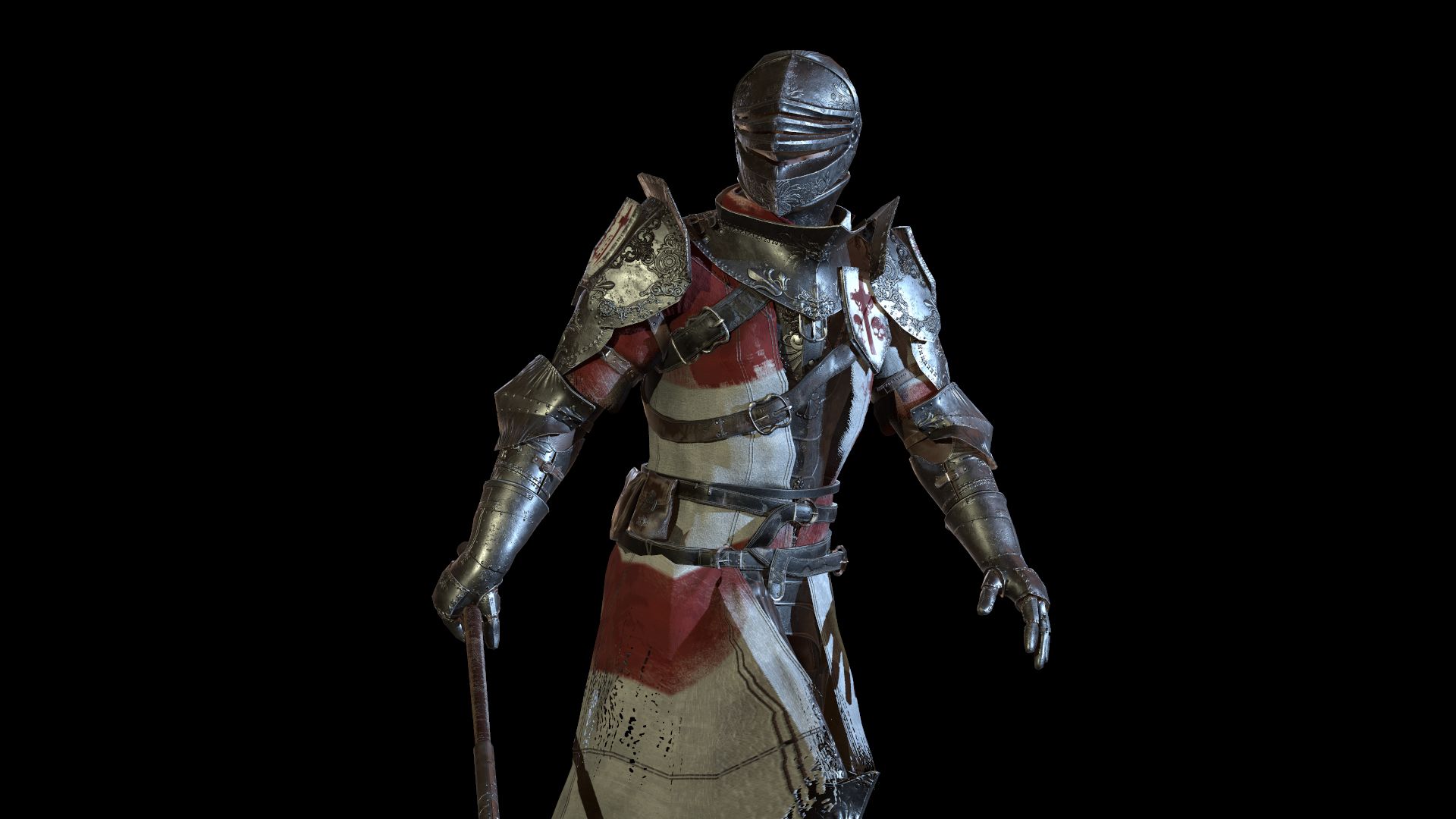


Ritter 3D-Modell
0


Royalty Free LicenseAlle erweiterten Anwendungen
Einfache Rückgabe
Best-Preis-Garantie
Funktioniert aus dem Kasten heraus
0
Besuche

Eingereicht von
Designtech architects
Spezifikationen
- Geometriepolygonal
- Polygone245,120
- Scheitelpunkte124,950
- TexturenYes
- ManipuliertenNo
- AnimiertNo
- Bereit zum Drucken in 3DNo
- Spielbereit (low poly)No
- UV-kartiertYes
- Unverpackte UVsnon-overlapping
Beschreibung
The knight (,) is a piece in the game of chess, representing a knight (armored cavalry). It is normally represented by a horse's head and neck. Each player starts with two knights, which begin on the row closest to the player, between the rooks and bishops.
Colloquially it is sometimes referred to as a "horse", which is also the translation of the piece's name in several languages. Some languages refer to it as the "jumper", reflecting the knight's ability to move over pieces in its way: Polish skoczek, Danish/Norwegian springer, German Springer, Luxembourgish Sprnger, Slovene skaka. In Sicilian it is called sceccu, a slang term for a donkey, derived from the Arabic sheikh, who during the Islamic period rode from village to village on donkeys collecting taxes.[1]
The knight move is unusual among chess pieces. It moves to a square that is two squares away horizontally and one square vertically, or two squares vertically and one square horizontally. The complete move therefore looks like the letter "L". Unlike all other standard chess pieces, the knight can "jump over" all other pieces (of either color) to its destination square.[2][3] It captures an enemy piece by replacing it on its square. The knight's ability to "jump over" other pieces means it tends to be at its most powerful in closed positions, in contrast to a bishop. The knight moves alternately to light and dark squares.
May 23, 2020
Datum hinzugefügt
May 18, 2022
letztes Update
Bewertungen
Es liegen noch keine Bewertungen für dieses Produkt vor.
Warum nicht der erste sein, der das Eis bricht?