


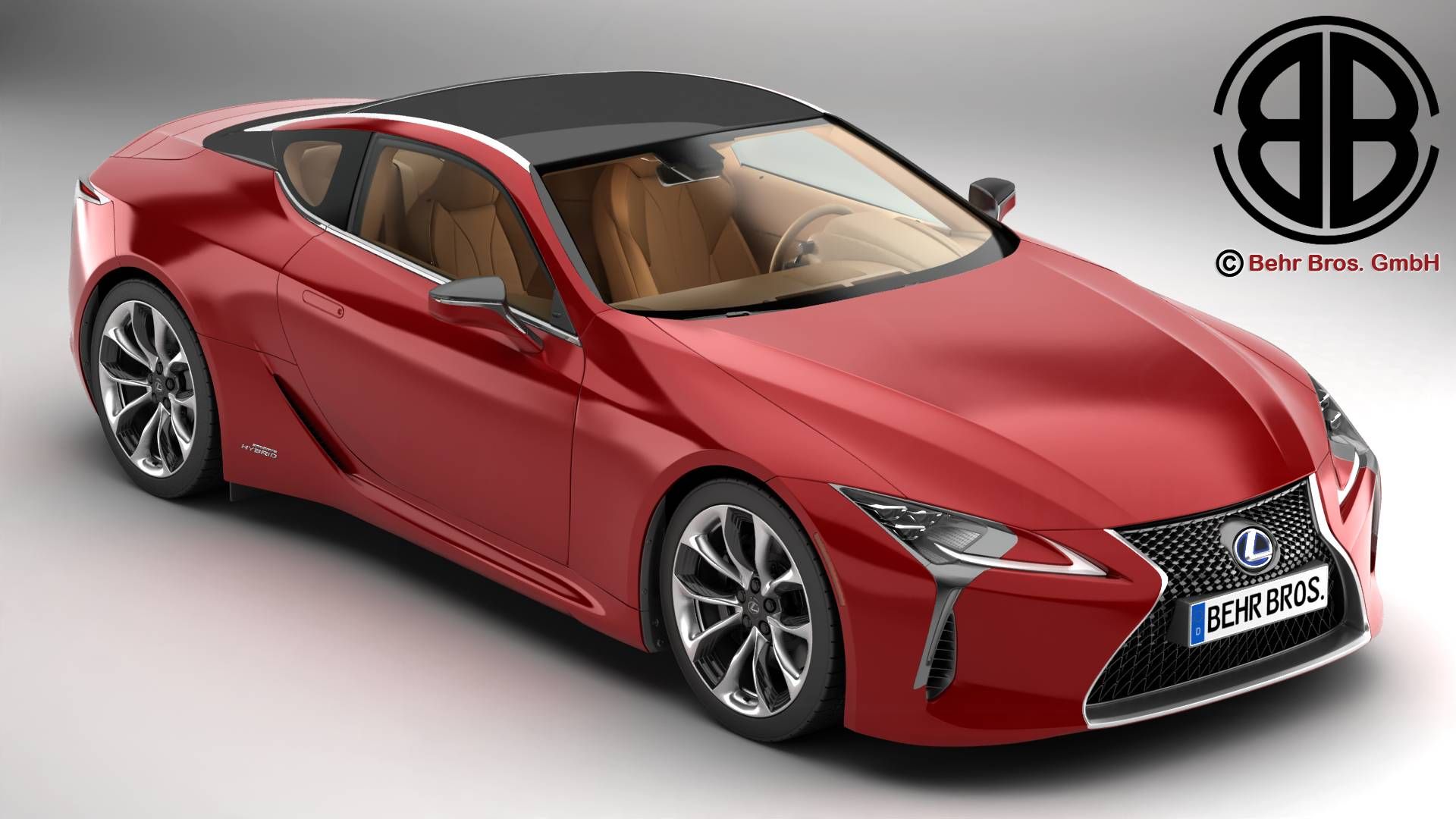
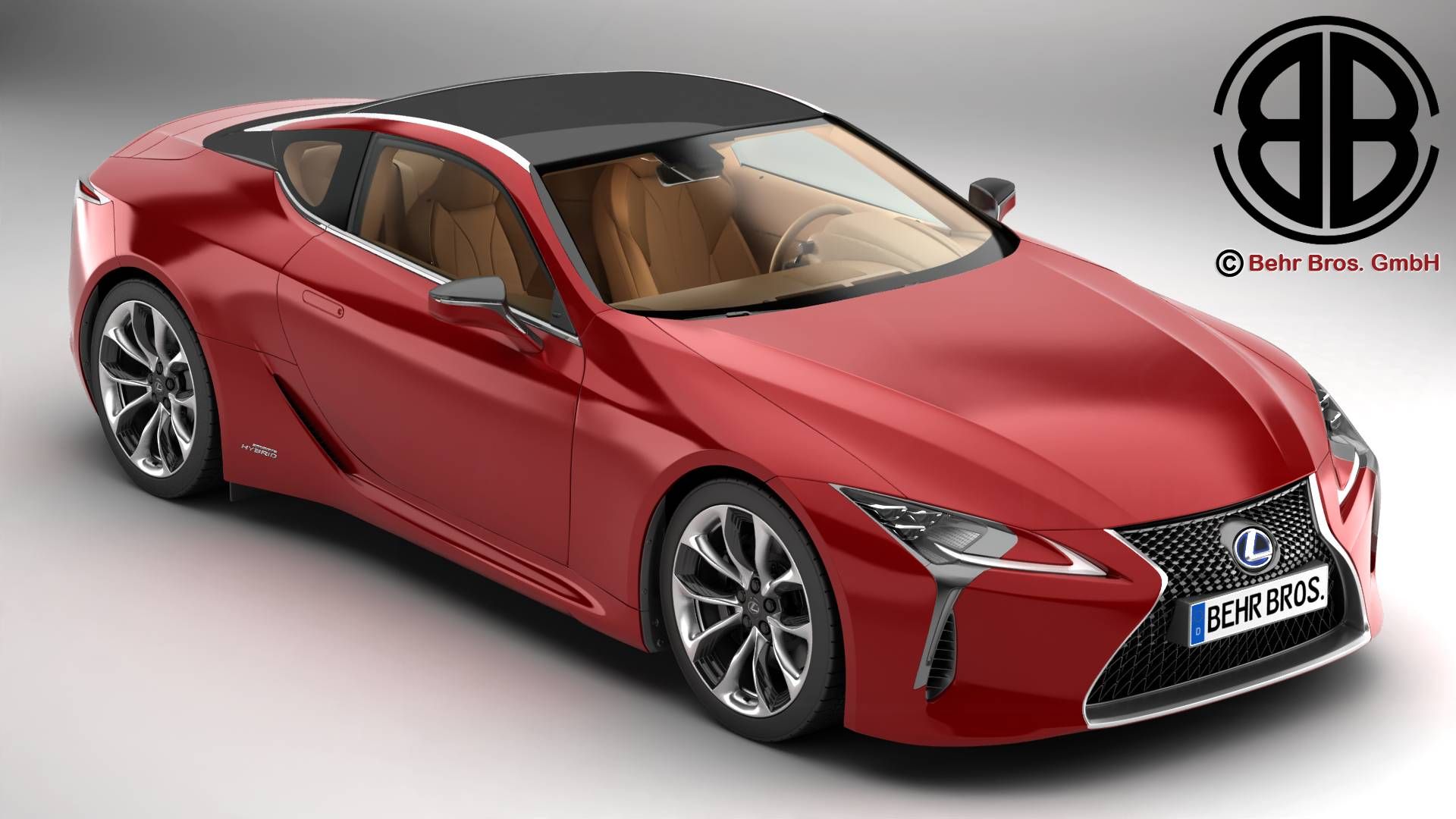

2017 Lexus LC 500 modèle 3D
0


Licence Libre de DroitsÉditorial seulement
Retours simples
Garantie du meilleur prix
Fonctionne hors de la boîte
0
visites

Proposé par
HKV Studios
Caractéristiques
- Géométriepolygonal_quads/tris
- Des polygones116,993
- Sommets133,626
- Les texturesYes
- GrééNo
- AniméNo
- Prêt pour l'impression 3DNo
- Jeu Prêt (low poly)No
- UV mappéYes
- UV non emballésoverlapping
La description
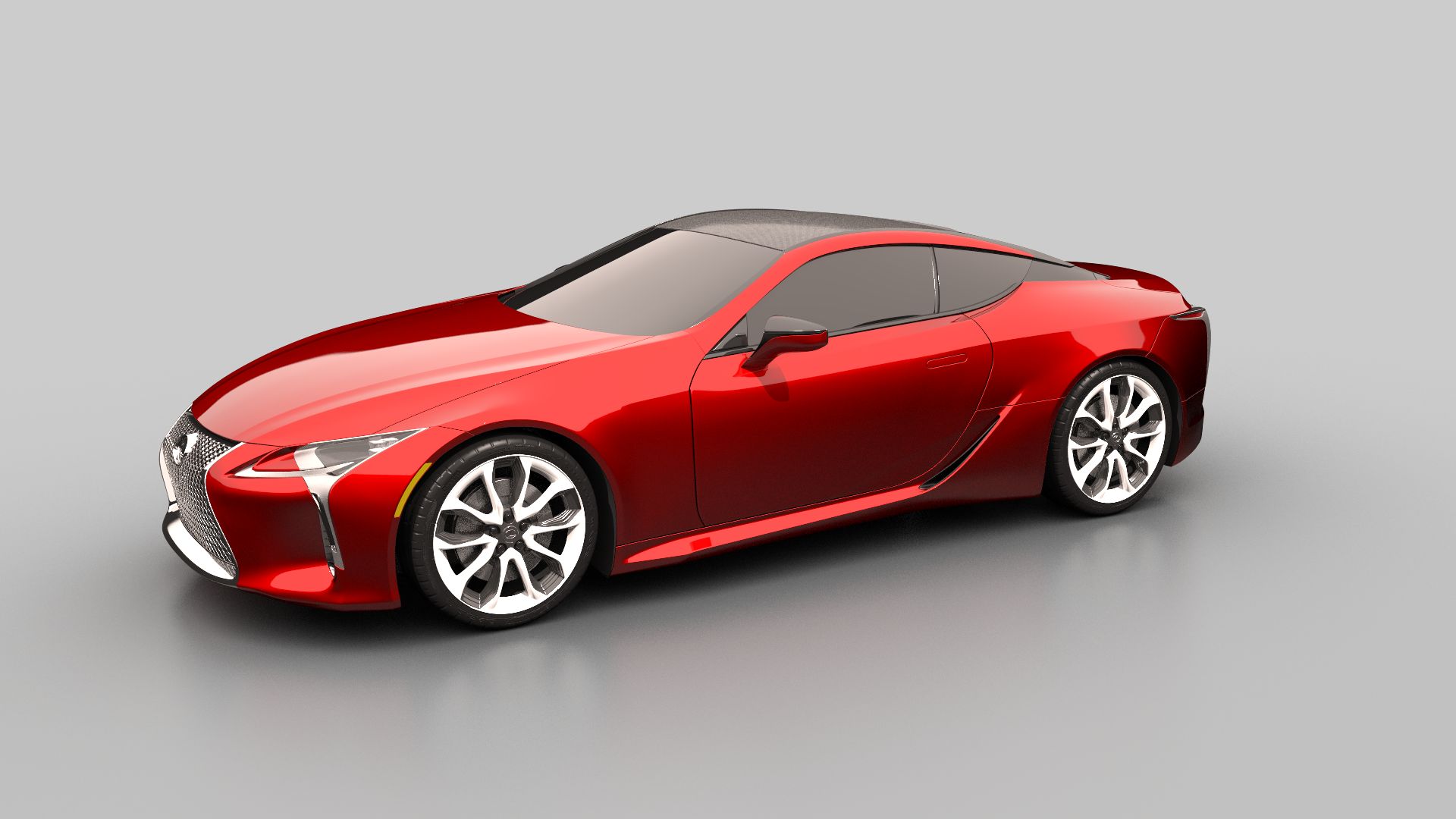
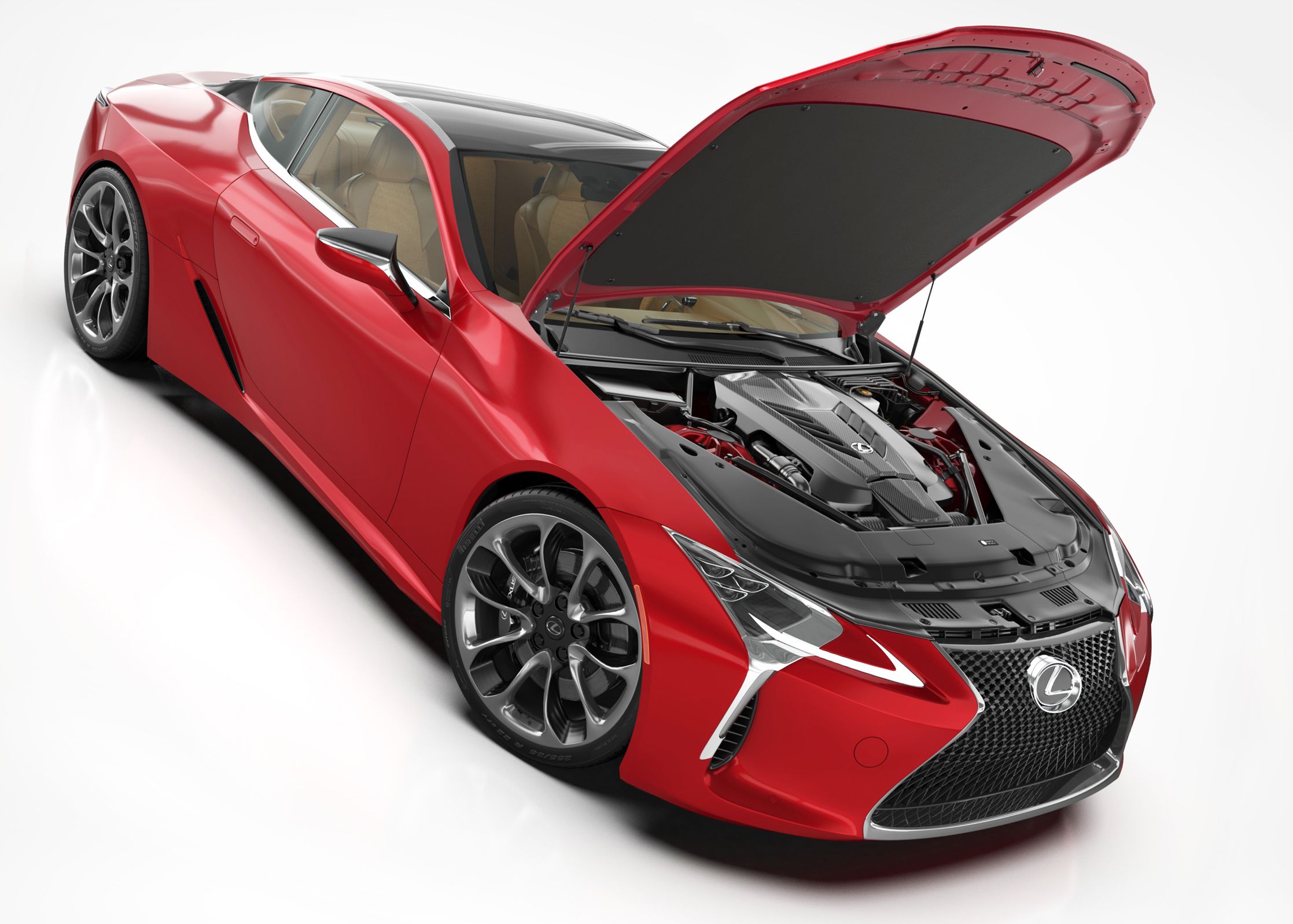
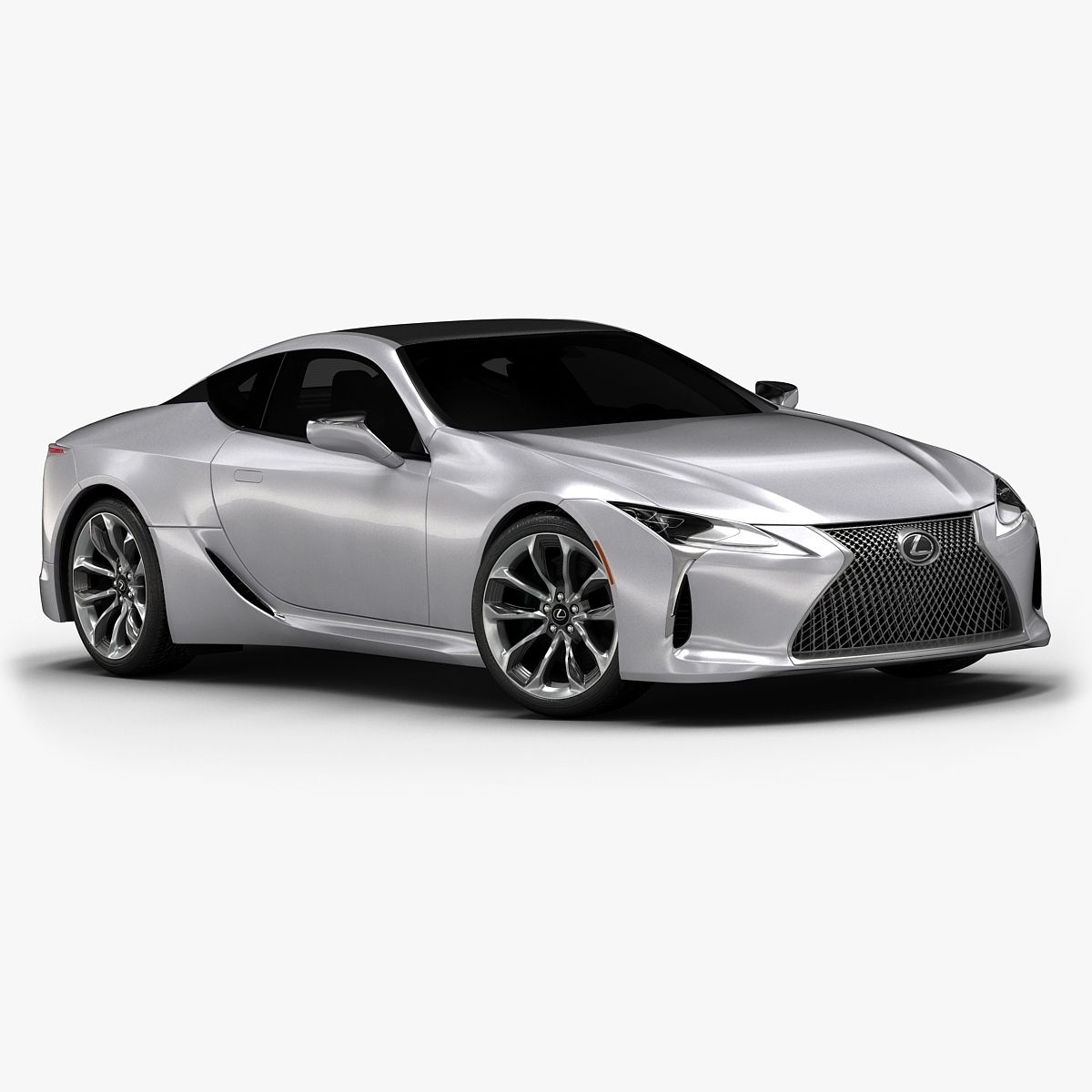
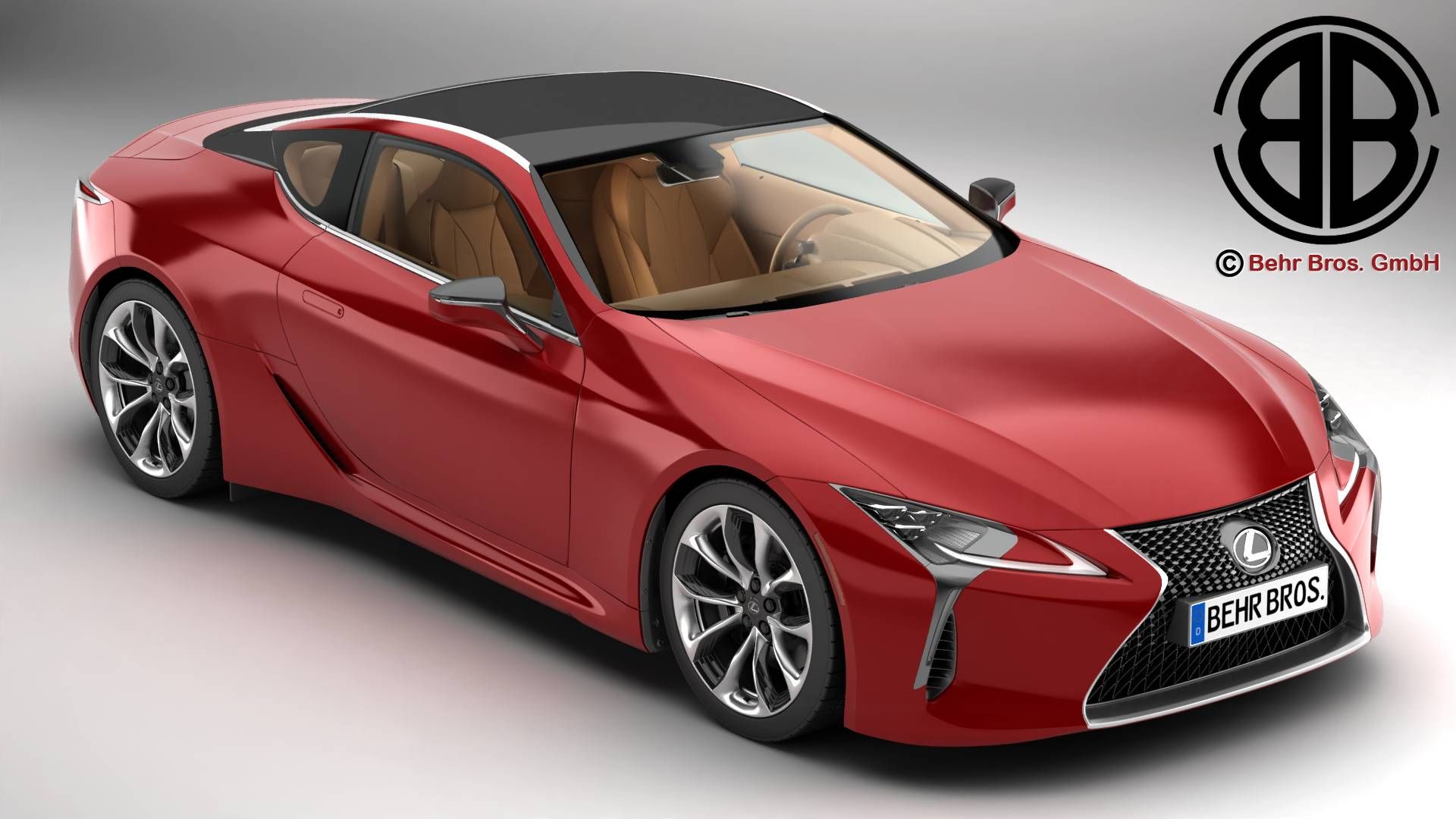
High detailed 3D model of 2017 Lexus LC 500 with interior.
Main features:
- Originally created with 3ds Max 2015
- Two .MAX files with V-Ray and Standard 3ds Max materials
- Two .MB files with V-Ray and Standard Maya materials
- Subdivision modifier is available in the history for .MAX, .MB and .C4D file formats (subdivision iteration 1 is set for all objects). So you can get access to original non-smoothed mesh by deactivating the Subdivision modifier
- Separate objects like body, wheels and doors. Total number of objects is 20. All objects are intelligently named
- Doors can be opened
- Unit system is set to metric (millimeters). Real-world scale
- All textures and materials are included and assigned
- 7 textures, which vary in resolution from 2048x2048px to 4096x4096px
- Windshield, rear window and back side windows are using high resolution transparency mask texture
- Previews rendered in 3ds Max 2015 with V-Ray 3.50.04
Special notes:
- .OBJ format is recommended for import in other 3d software. If your software doesn't support .OBJ format, please use .3ds format; .OBJ format was exported from 3ds Max. The geometry for .OBJ format is set to quads
- .MAX files can be loaded in 3ds Max 2015 or higher. In order to use V-Ray rendering setups and materials, V-Ray 3.50.04 or higher is needed. V-Ray shaders and render setups are backwards compatible, so you can use V-Ray 2.0 or higher
- .MB files can be loaded in Autodesk Maya 2015 or higher. In order to use V-Ray rendering setups and materials in Maya, V-Ray 3.10.01 or higher is needed. Maya V-Ray renders are similar to 3ds Max V-Ray rendered previews, but not identical
- .C4D file can be loaded in MAXON Cinema4D R17 or higher. Only standard Cinema4D materials and Standard renderer used. Material reflections are set up using the new Reflectance channel introduced in R16
Polycounts:
- .MAX format (only one file included with MeshSmooth iteration 1 applied to all objects):
no MeshSmooth: 116,959 faces and 133,556 vertices
MeshSmooth iteration 1: 467,148 faces and 500,595 vertices
MeshSmooth iteration 2: 1,868,592 faces and 1,935,051 vertices
- .MB format (only one file included with Subdivision iteration 1 applied to all objects):
no Subdivision: 116,959 faces and 133,556 vertices
Subdivision iteration 1: 467,148 faces and 500,595 vertices
Subdivision iteration 2: 1,868,592 faces and 1,935,051 vertices
- .C4D format (only one file included with Subdivision iteration 1 applied to all objects):
no Subdivision: 116,959 faces and 133,556 vertices
Subdivision iteration 1: 467,148 faces and 500,595 vertices
Subdivision iteration 2: 1,868,592 faces and 1,935,051 vertices
- .FBX and .OBJ formats (3 files included for each format):
low: 116,959 faces and 133,556 vertices
medium: 467,148 faces and 500,595 vertices
high: 1,868,592 faces and 1,935,051 vertices
- .3DS format (3 files included):
low: 233,230 faces and 204,823 vertices
medium: 934,296 faces and 633,944 vertices
high: 3,737,184 faces and 2,231,418 vertices
Sep 13, 2020
date ajoutée
Feb 03, 2025
dernière mise à jour
Avis
Il n'y a actuellement aucun avis sur ce produit.
Pourquoi ne pas être le premier à briser la glace?