




체르노빌 3D 모델
0


1,178
방문

에 의해 제출 된
NeoLight
명세서
- 기하학polygonal
- 다각형120,000
- 정점들0
- 텍스처Yes
- 딱딱한No
- 생기 있는No
- 3D 인쇄 가능 준비No
- 게임 준비 (낮은 폴리)No
- UV 매핑 됨No
- 포장되지 않은 자외선unknown
기술
The description of the nuclear power plant:
The Chernobyl station (51°23?14?N, 30°06?41?E) is situated at the settlement of Pripyat, Ukraine, 11 miles (18 km) northwest of the city of Chernobyl, 10 miles (16 km) from the border of Ukraine and Belarus, and about 70 miles (110 km) north of Kiev. The station consisted of four reactors, each capable of producing 1 GW of electric power (3.2 gigawatts of thermal power), and the four together produced about 10% of Ukraine"s electricity at the time of the accident. Construction of the plant began in the 1970s, with reactor No. 1 commissioned in 1977, followed by No. 2 (1978), No. 3 (1981), and No. 4 (1983). Two more reactors (No. 5 and No. 6, also capable of producing 1 gigawatt each) were under construction at the time of the accident.
The four plants were designed as a type of reactor called RBMK-1000.
A brief story to remember what happened that day:
On 25 April, prior to a routine shut-down, the reactor crew at Chernobyl-4 began preparing for a test to determine how long turbines would spin and supply power following a loss of main electrical power supply. Similar tests had already been carried out at Chernobyl and other plants, despite the fact that these reactors were known to be very unstable at low power settings.
A series of operator actions, including the disabling of automatic shutdown mechanisms, preceded the attempted test early on 26 April. As flow of coolant water diminished, power output increased. When the operator moved to shut down the reactor from its unstable condition arising from previous errors, a peculiarity of the design caused a dramatic power surge.
The fuel elements ruptured and the resultant explosive force of steam lifted off the cover plate of the reactor, releasing fission products to the atmosphere. A second explosion threw out fragments of burning fuel and graphite from the core and allowed air to rush in, causing the graphite moderator to burst into flames.
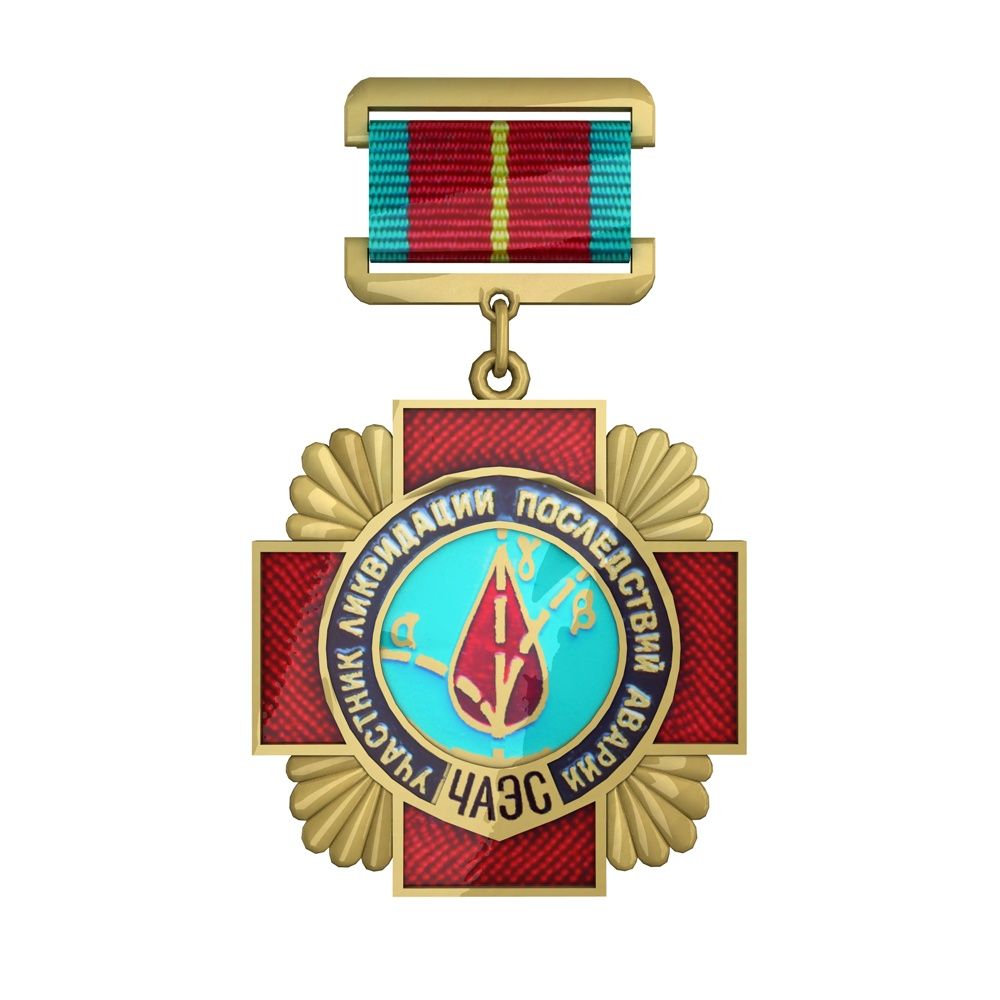
Some 5000 tonnes of boron, dolomite, sand, clay and lead were dropped on to the burning core by helicopter and so called heroic “liquidators” in an desperate effort to extinguish the blaze and limit the release of radioactive particles.
NeoLight
Apr 25, 2018
추가 된 날짜
Aug 06, 2021
마지막 업데이트
리뷰
현재이 제품에 대한 리뷰가 없습니다.
얼음을 깬 첫 번째 사람이되지 않겠습니까?