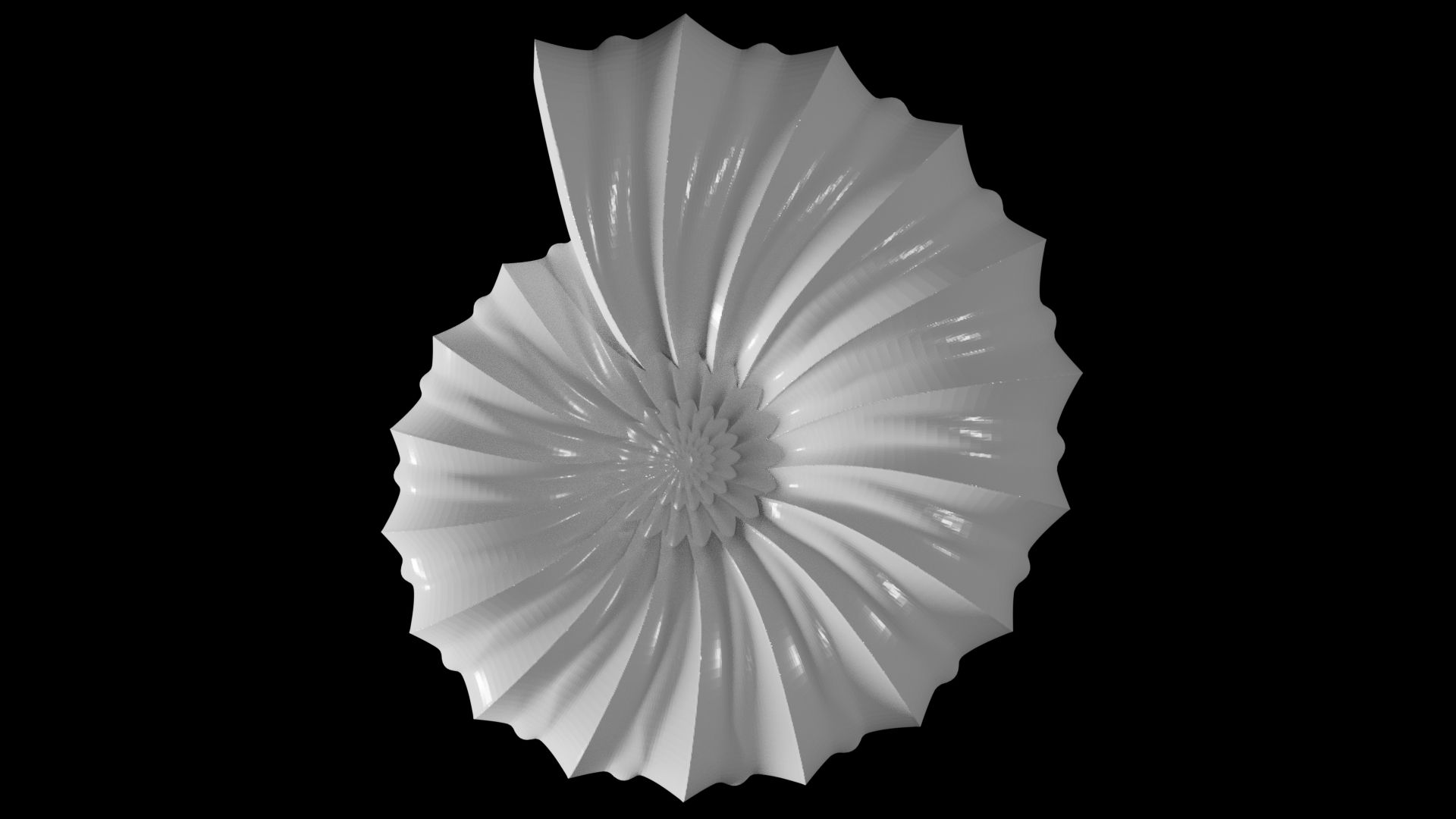


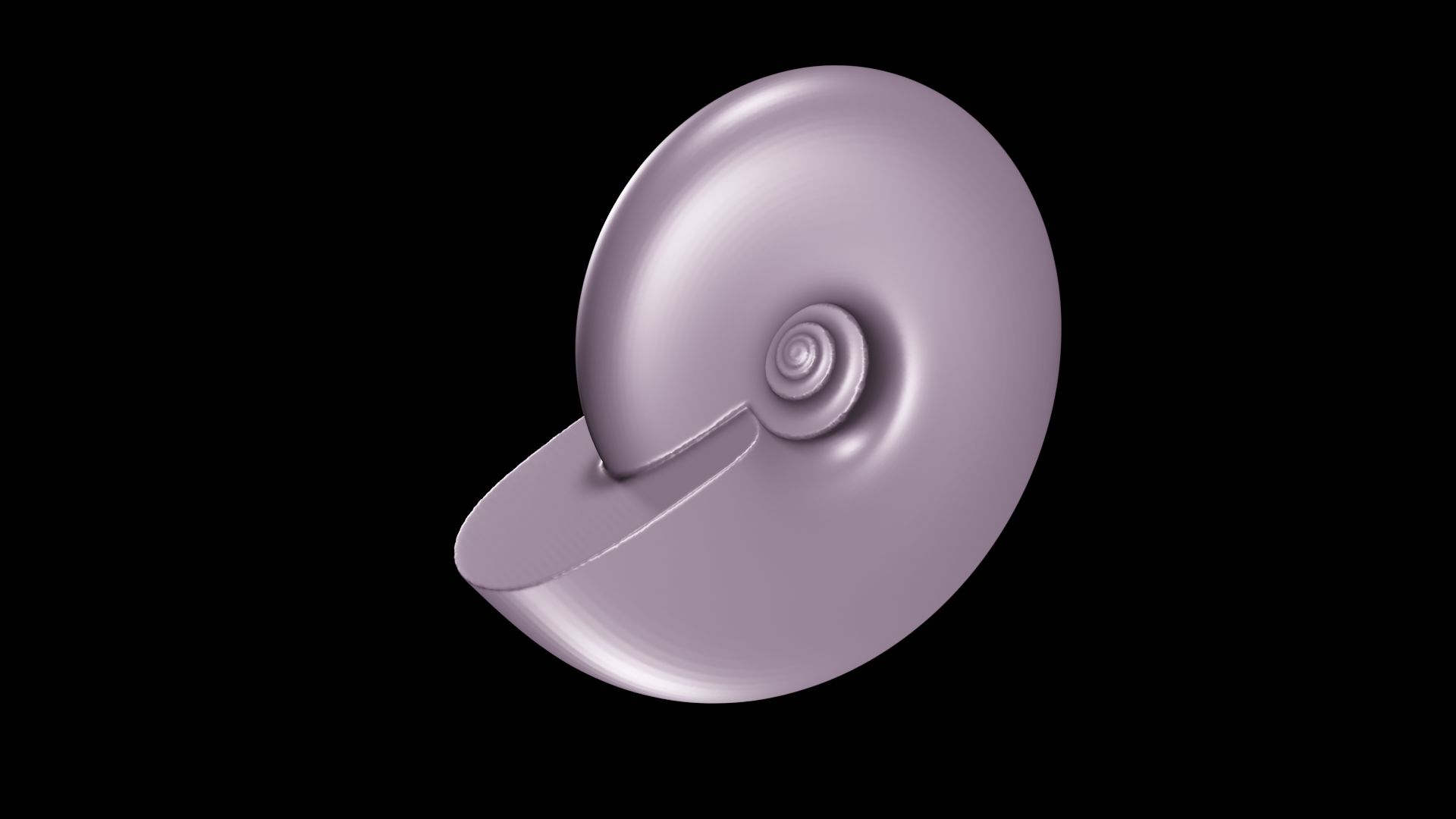
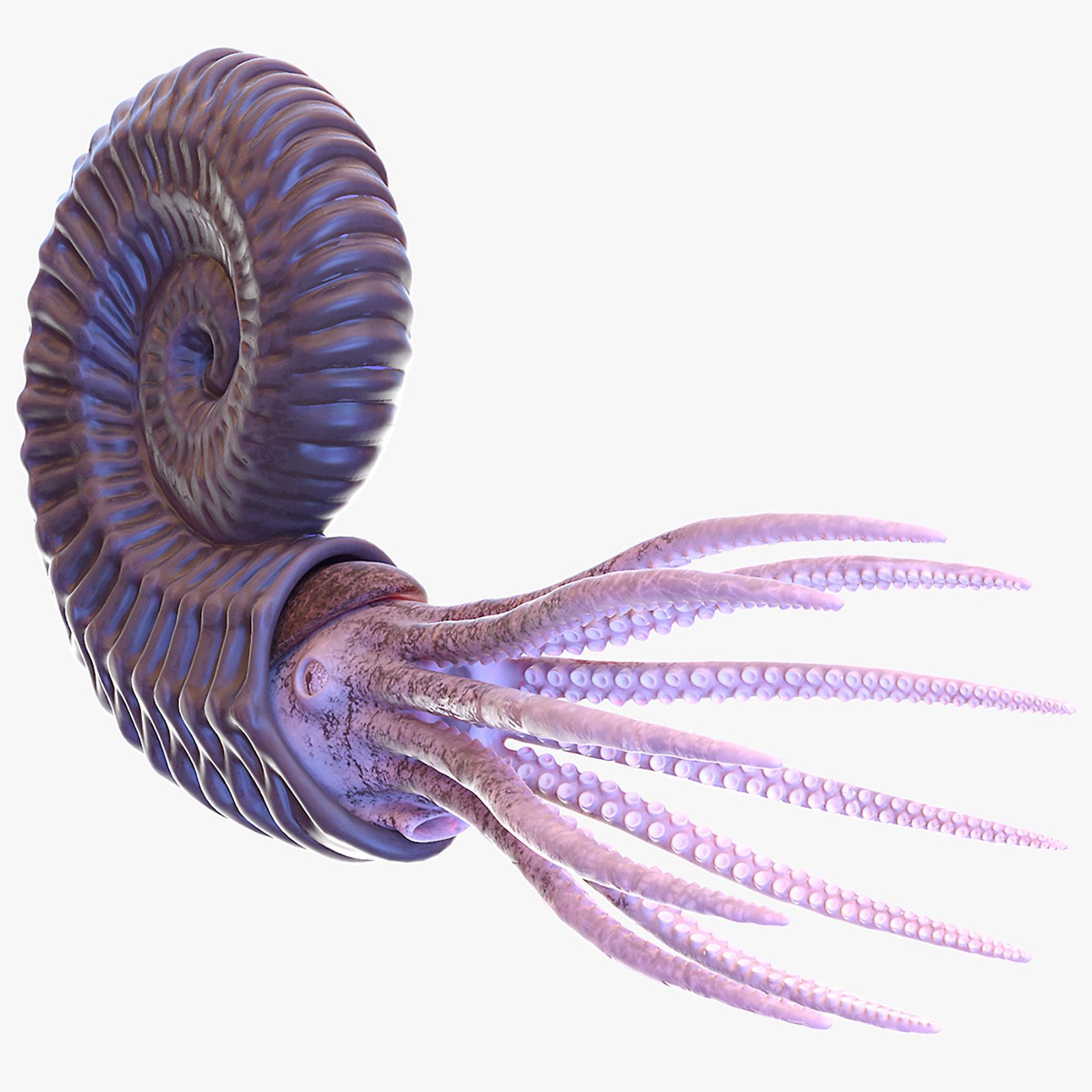

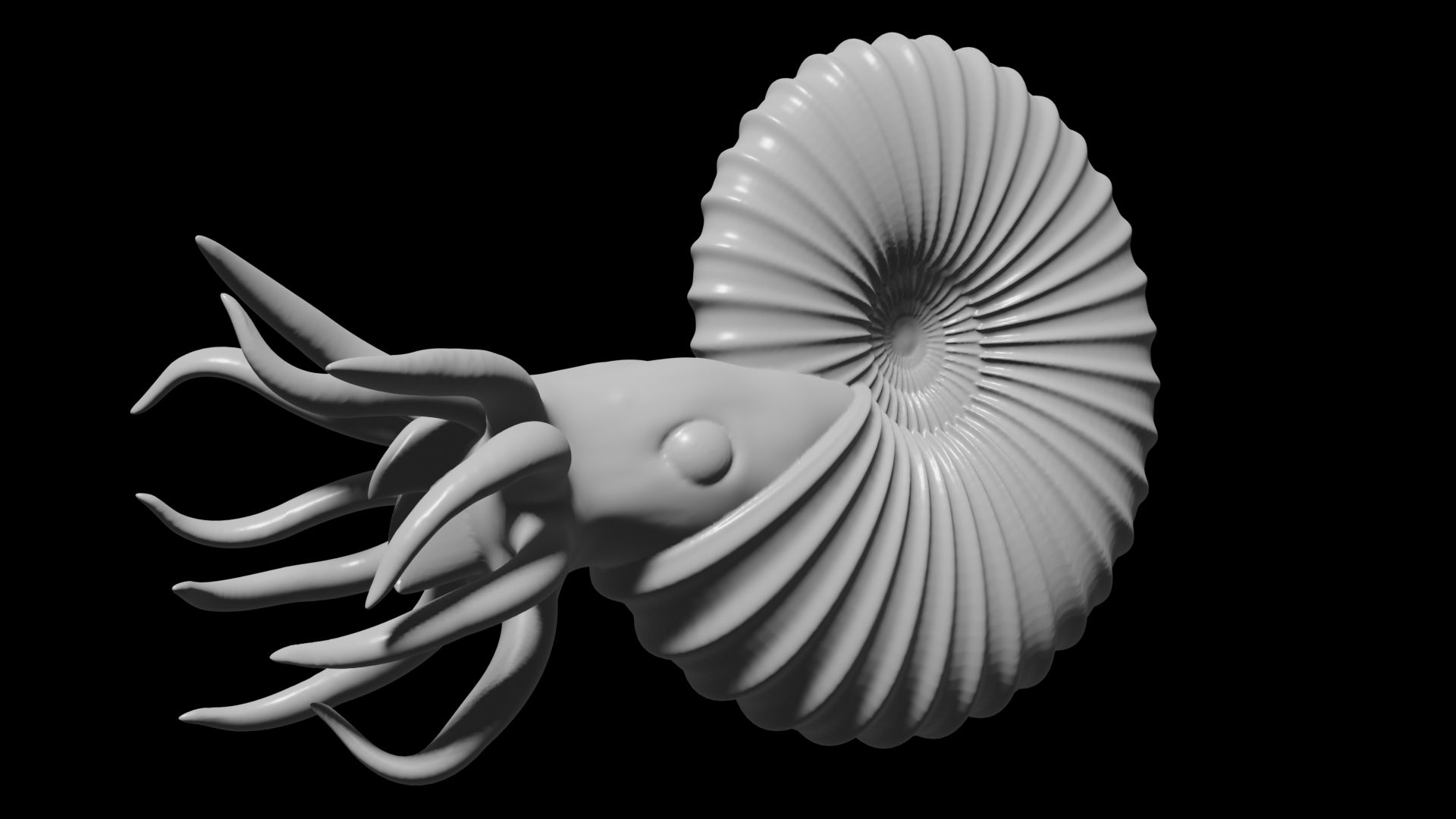
Ammonoid reconstruction 3D Model
0


0
visits

Submitted by
LIFE SPIRAL
Specifications
- Geometrypolygonal
- Polygons976,262
- Vertices488,135
- TexturesNo
- RiggedNo
- AnimatedNo
- 3D Printable ReadyNo
- Game Ready (low poly)No
- UV MappedYes
- Unwrapped UVsnone
Description
Name of the model: "Ammonoid Reconstruction"
Triangles: 976262
Vertices: 488135
Format: STL
Information: Ammonoids are a group of extinct cephalopods that possessed an external carbonatic shell, which is usually the only evidence of their existence in the fossil record. These organisms, commonly referred to as ammonites, are more closely related to living coleoids (i.e., octopuses, squid, and cuttlefish) than they are to shelled nautiloids such as the living Nautilus species. The earliest ammonites appear during the Devonian (317 Ma), and the last species vanished in the CretaceousPaleogene extinction event at around 65 million years ago.
Ammonites are excellent index fossils, and it is often possible to link the rock layer in which a particular species or genus is found to specific geologic time periods. Their fossil shells usually take the form of planispirals, although there were some helically spiraled and nonspiraled forms (known as heteromorphs).
May 23, 2020
date added
Jun 13, 2024
last update
Reviews
There are currently no reviews for this product.
Why not be the first one to break the ice?