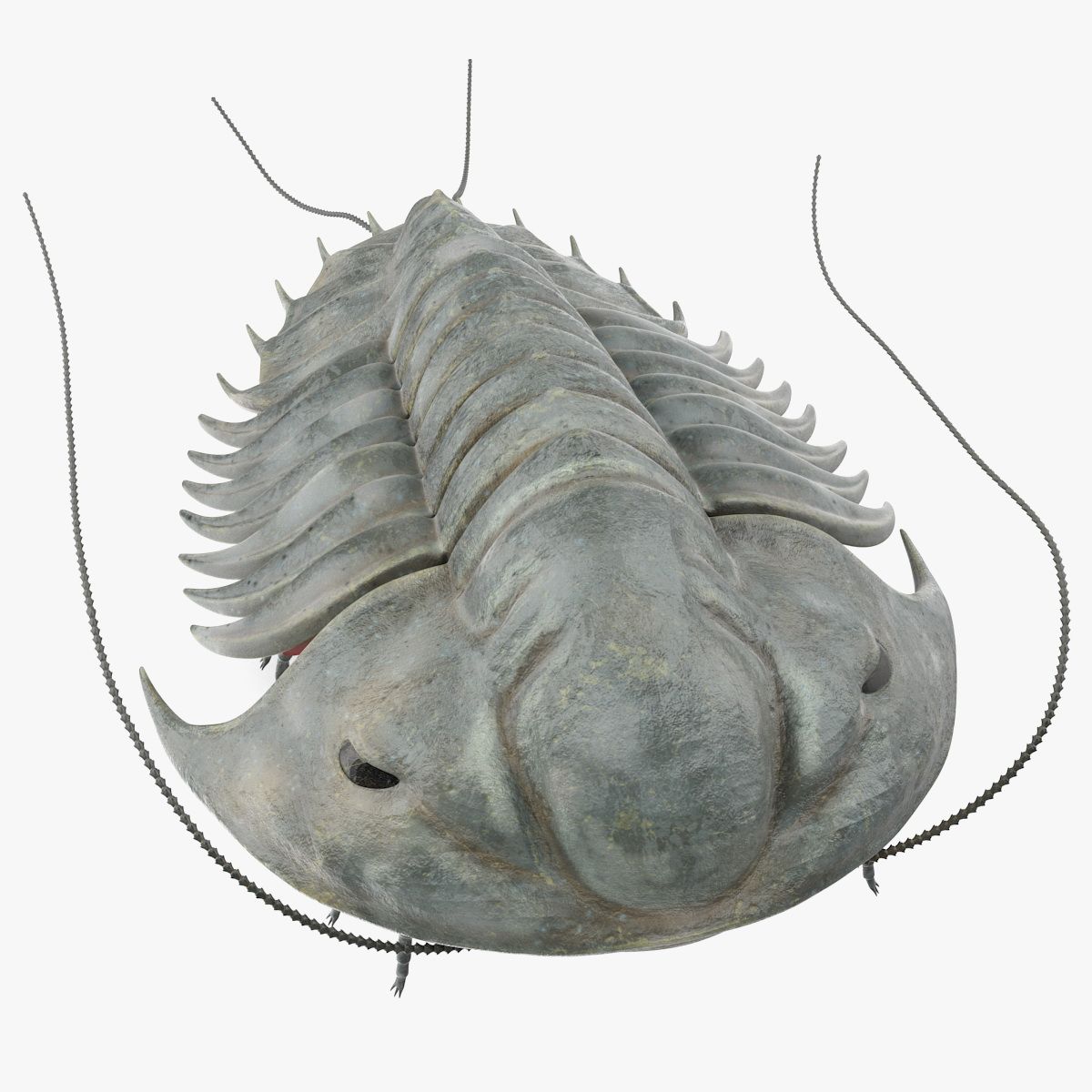
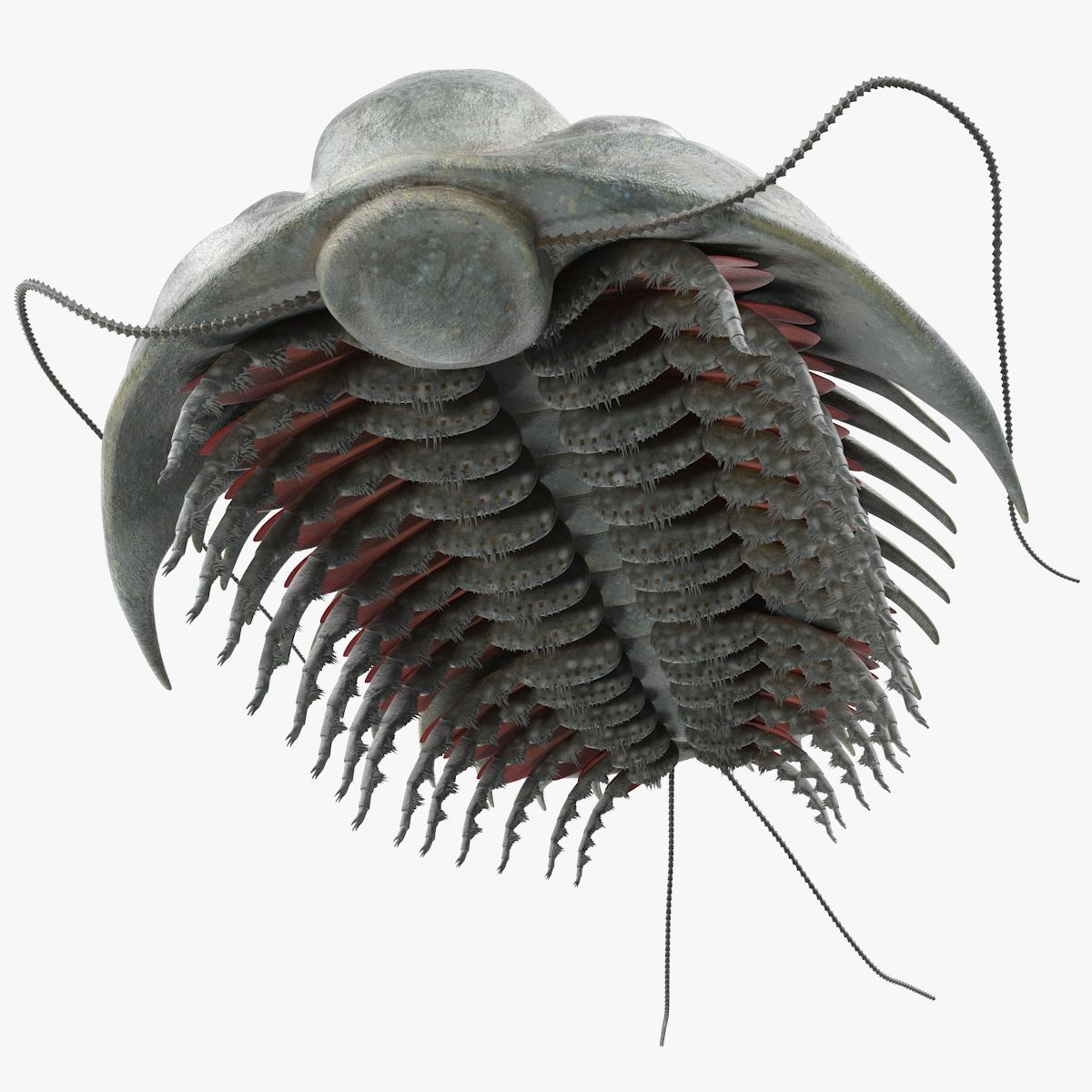
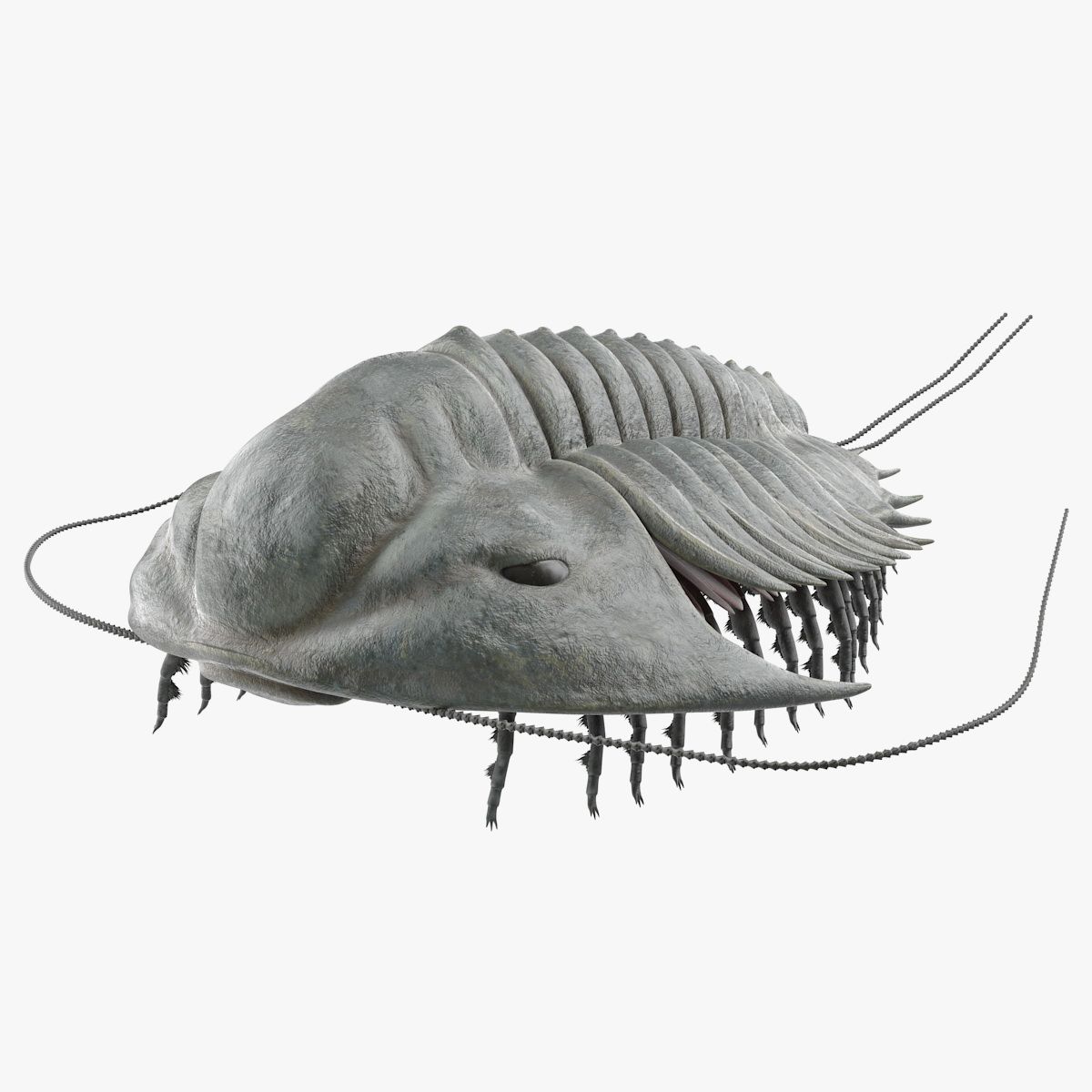

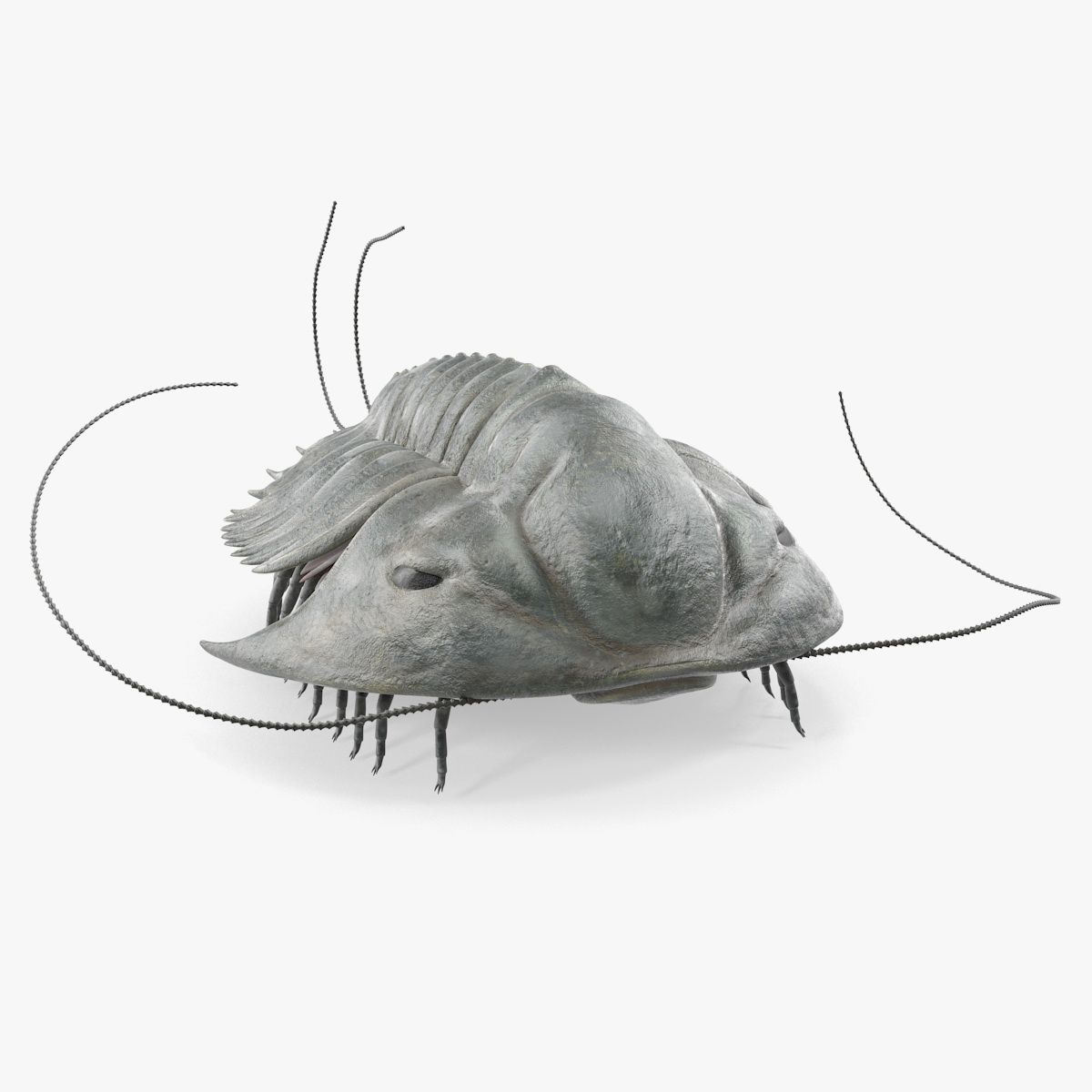


Elrathia kingii 3D Model
0


0
visits

Submitted by
LIFE SPIRAL
Specifications
- Geometrypolygonal
- Polygons736,027
- Vertices1,472,050
- TexturesNo
- RiggedNo
- AnimatedNo
- 3D Printable ReadyNo
- Game Ready (low poly)No
- UV MappedYes
- Unwrapped UVsnone
Description
Name of the specimen: "Lilyth"
Triangles: 736027
Vertices: 1472050
Genus: Elrathia Kingii. (Trilobita)
Meaning: The name Elrathia is based off the town Elrath in Alabama where these trilobites were discovered. The word Kingii derivates from King.
Information: Elrathia is a genus of ptychopariid trilobite species that lived during the Middle Cambrian of Utah, and possibly British Columbia. E. kingii is one of the most common trilobite fossils in the USA locally found in extremely high concentrations within the Wheeler Formation. E. kingii is a medium-sized trilobite with a smooth sub-ovate carapace that is tapered towards the rear. Thorax is usually 13 segments. Pygidium has four axial rings and a long terminal piece. Posterior margin of the pygidium has a long broad medial notch.
Age: 513.0498.5 Ma Middle Cambrian
Diet: Unknown, probably small invertebrates
Habitat: E. kingii consistently occur in settings below the oxygen levels required by other contemporaneous epifaunal and infaunal benthic biota and may have derived energy from a food web that existed independently of phototrophic primary productivity. Although other fossil organisms are known to have preferred such environments, E. kingii is the earliest-known inhabitant of them, extending the documented range of the exaerobic ecological strategy into the Cambrian Period.
Mar 28, 2020
date added
Feb 11, 2022
last update
Reviews
There are currently no reviews for this product.
Why not be the first one to break the ice?