
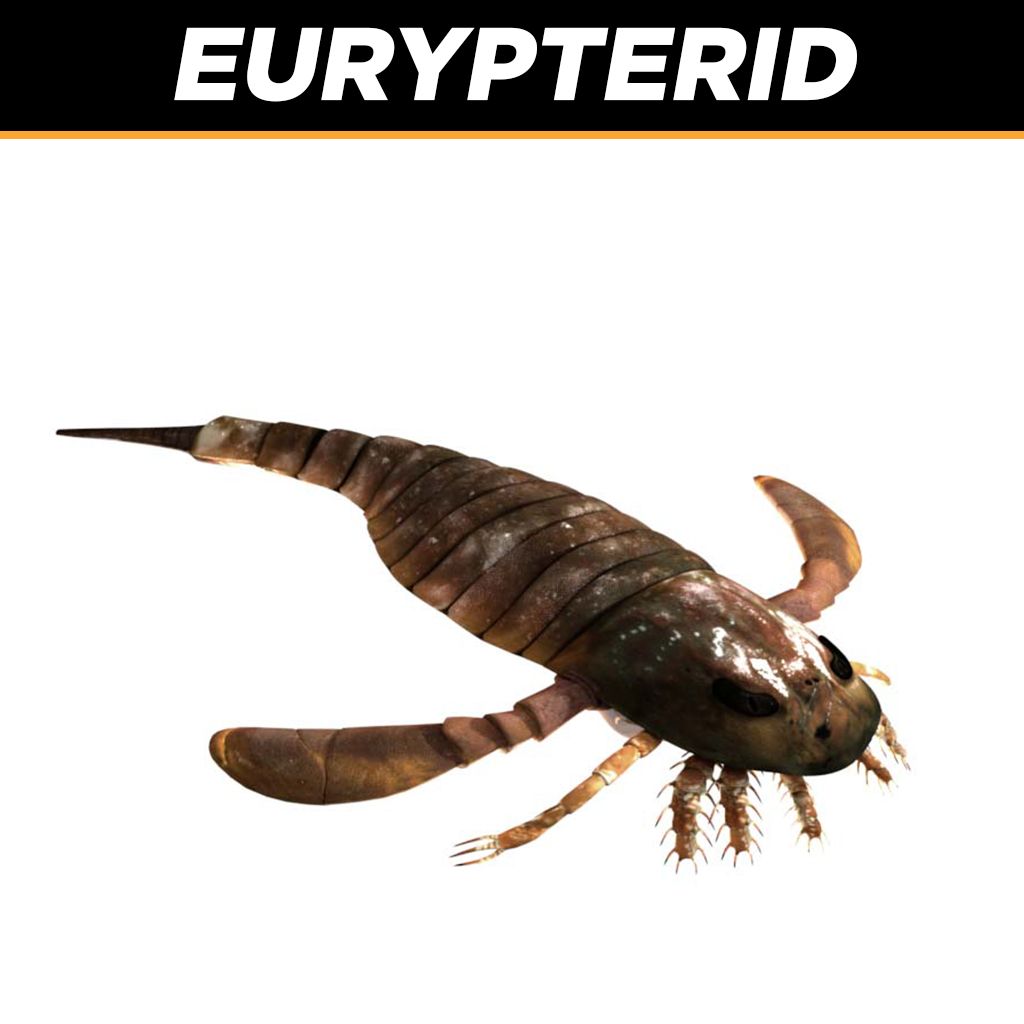


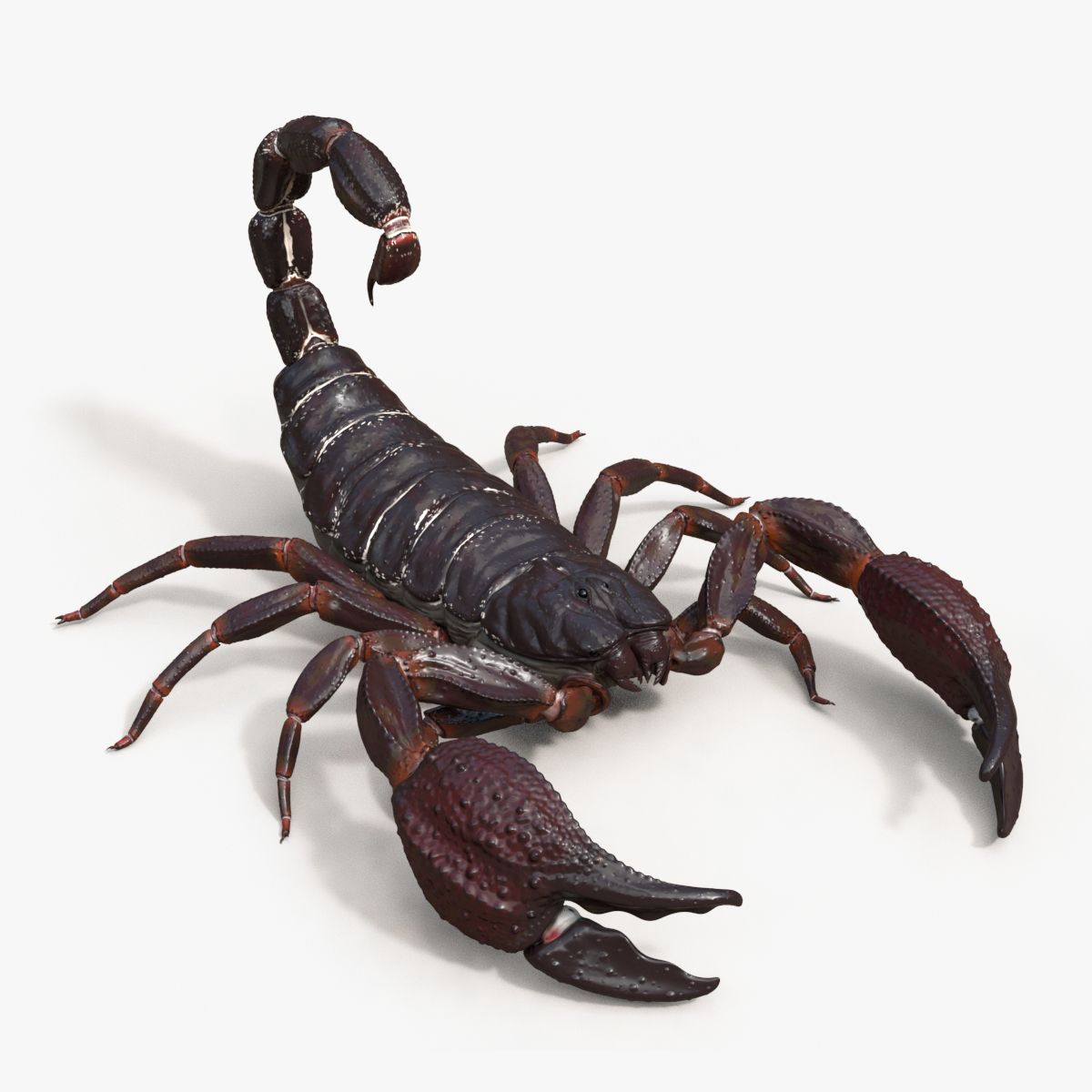
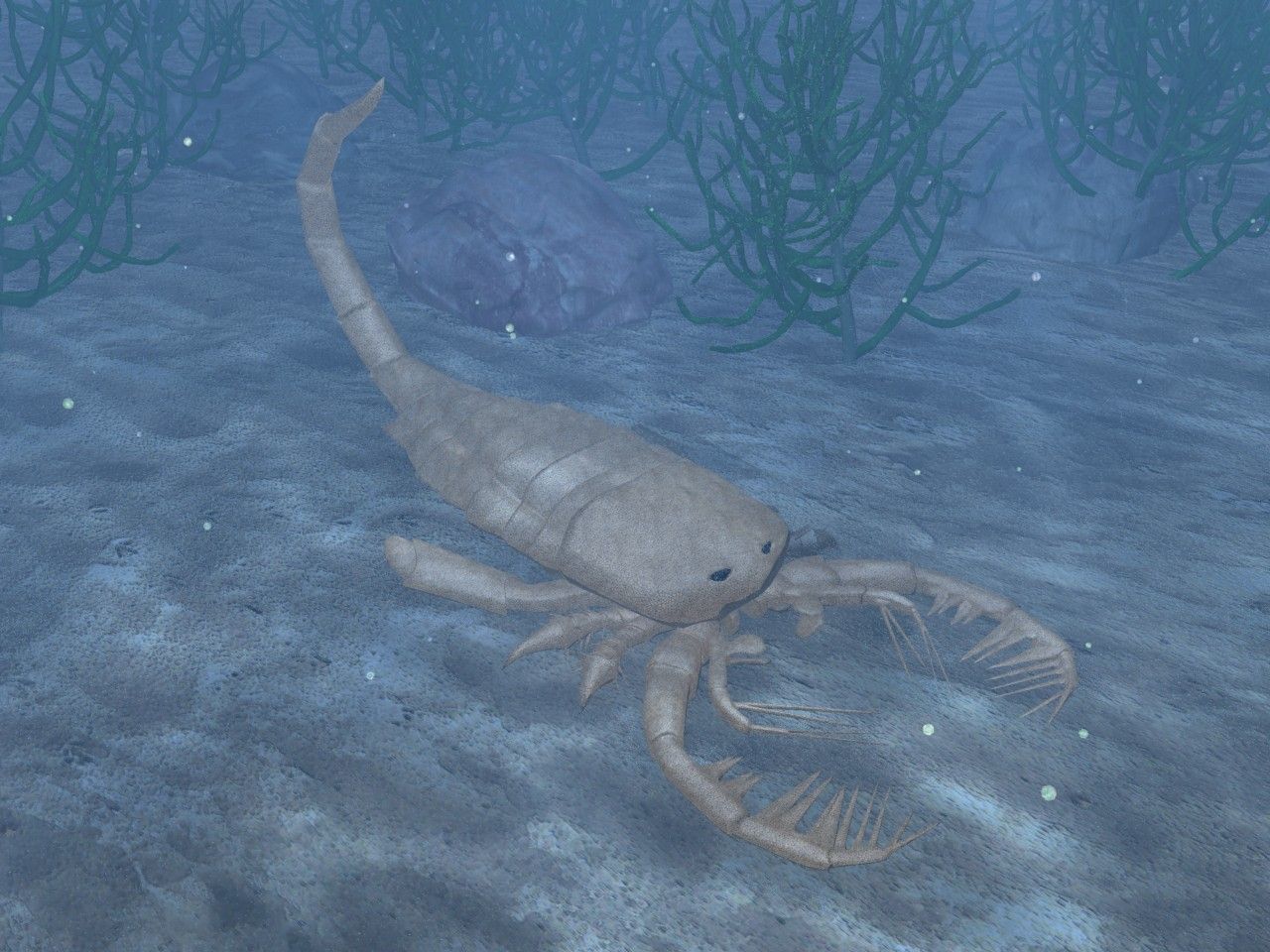
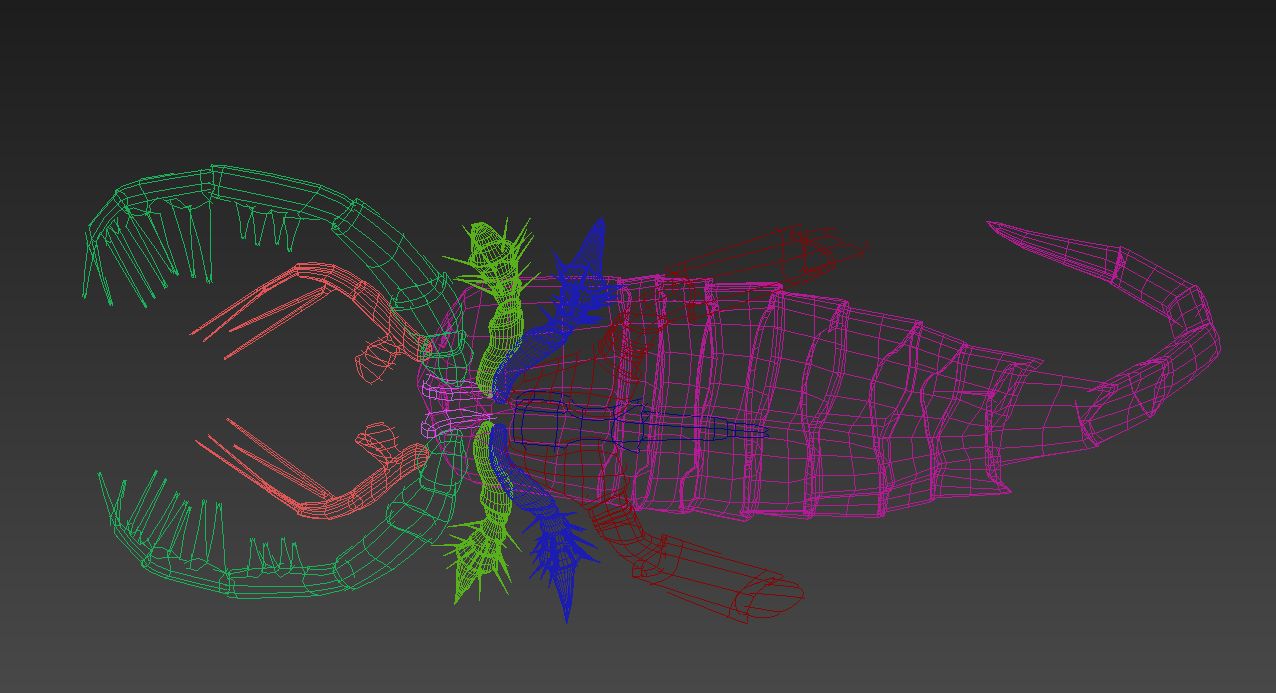
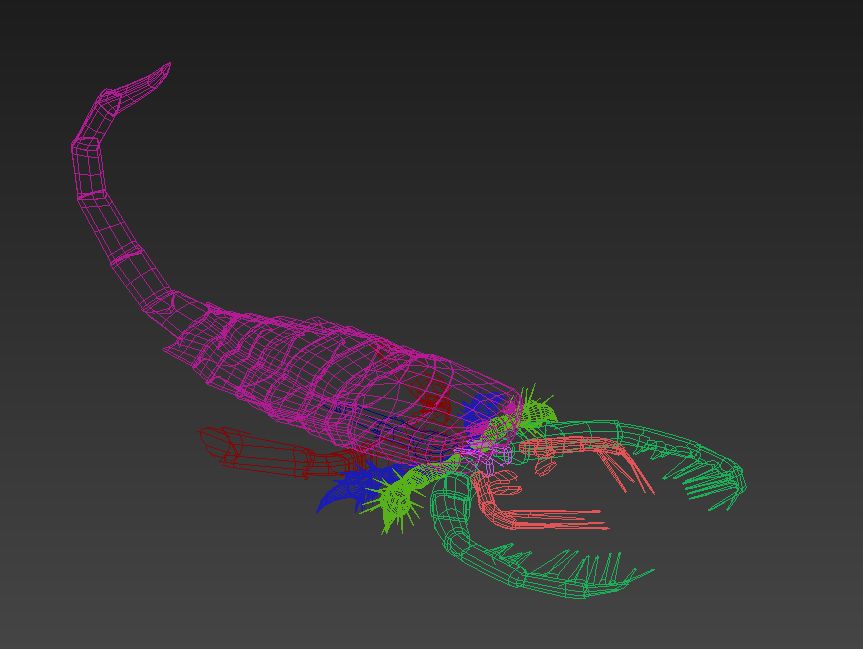
Eurypterid sea scorpion 3D-Modell
0


Royalty Free LicenseAlle erweiterten Anwendungen
Einfache Rückgabe
Best-Preis-Garantie
Funktioniert aus dem Kasten heraus
2
Besuche

Eingereicht von
CrisaliD
Spezifikationen
- Geometriepolygonal
- Polygone798,421
- Scheitelpunkte421,445
- TexturenYes
- ManipuliertenNo
- AnimiertNo
- Bereit zum Drucken in 3DNo
- Spielbereit (low poly)No
- UV-kartiertYes
- Unverpackte UVsnone
Beschreibung
Eurypterids (sea scorpions) are an extinct group of arthropods that are related to arachnids and include the largest known arthropods to have ever lived. They are members of the extinct order Eurypterida (Chelicerata); which is the most diverse Paleozoic chelicerate order in terms of species. The name Eurypterida comes from the Greek words eury- (meaning "broad" or "wide") and pteron (meaning "wing").This name was chosen due to the pair of wide swimming appendages on the first fossil eurypterids discovered. The largest, such as Jaekelopterus, reached 2.5 metres (8 ft 2 in) in length, but most species were less than 20 centimetres (8 in). They were formidable predators that thrived in warm shallow water, in both seas and lakes, from the mid Ordovician to late Permian (460 to 248 million years ago).
Nov 19, 2019
Datum hinzugefügt
Feb 10, 2022
letztes Update
Bewertungen
Es liegen noch keine Bewertungen für dieses Produkt vor.
Warum nicht der erste sein, der das Eis bricht?