


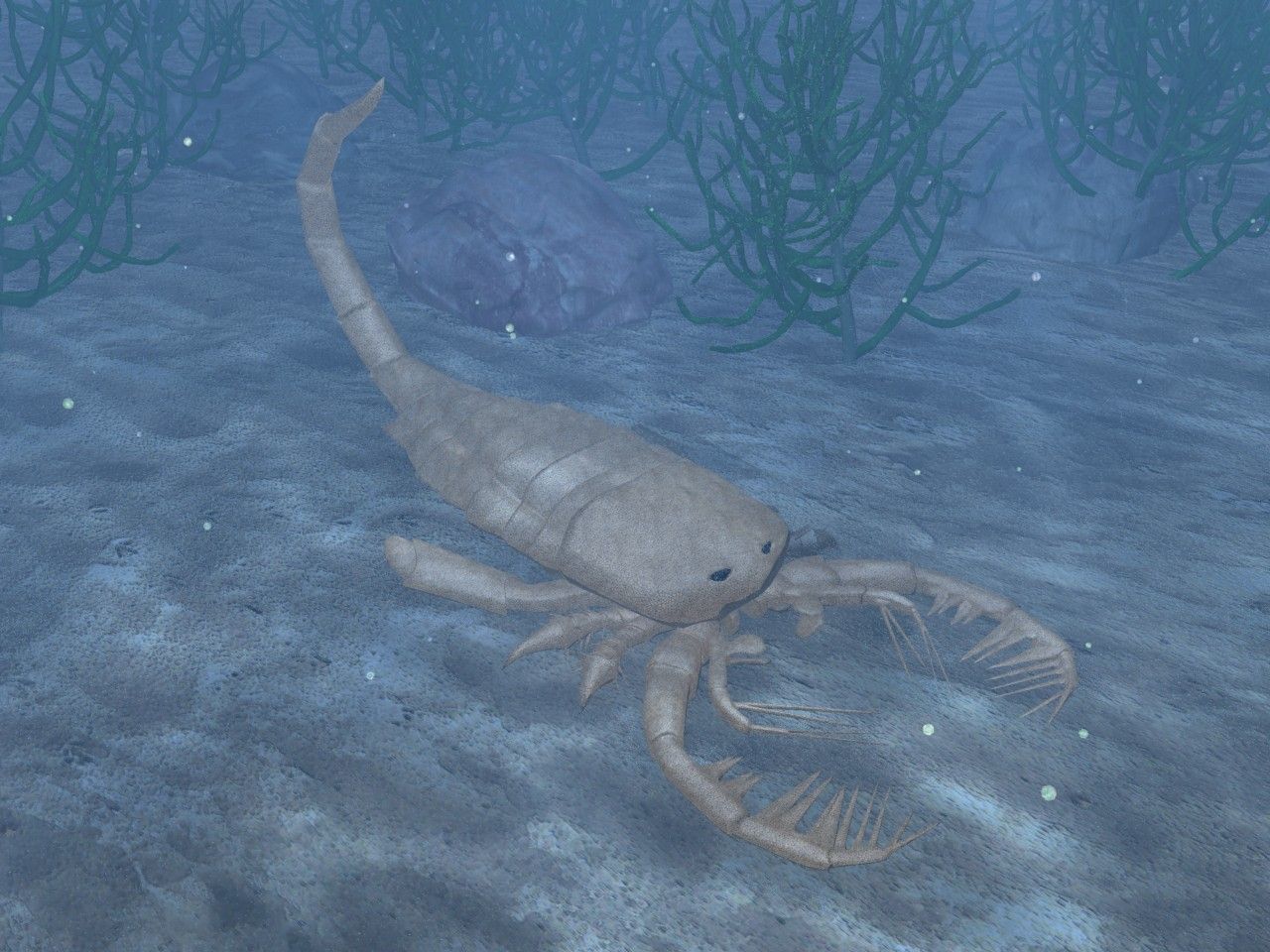
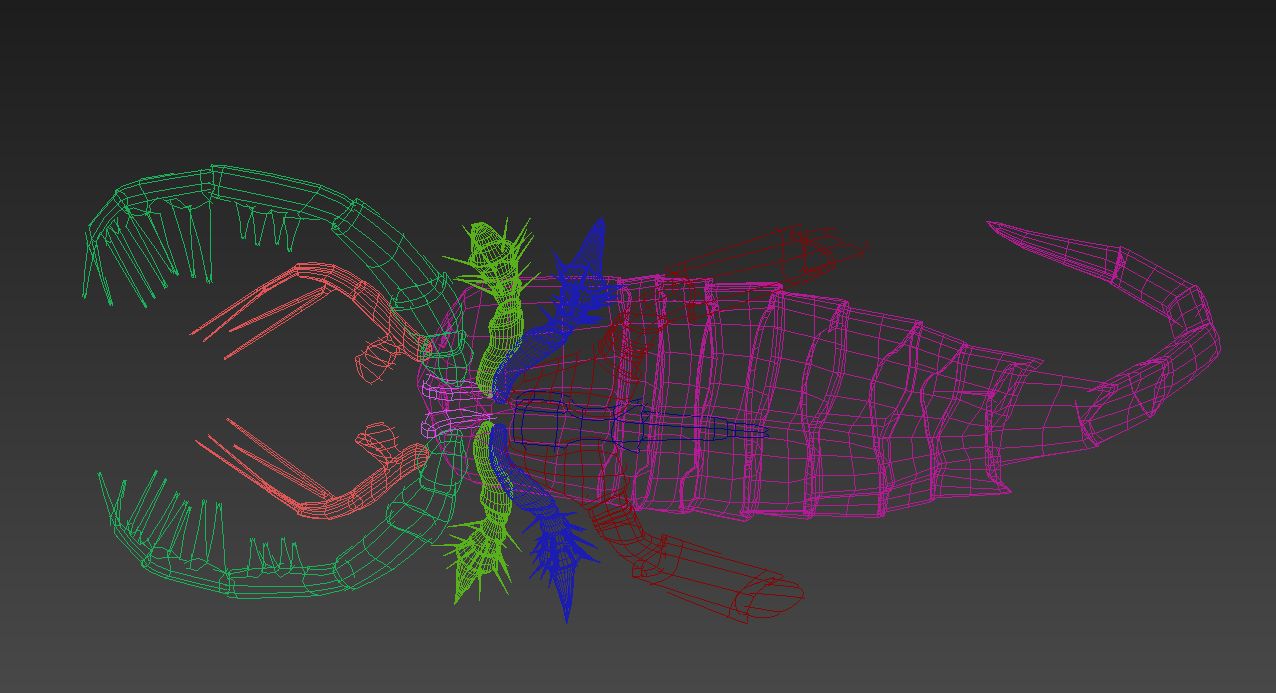
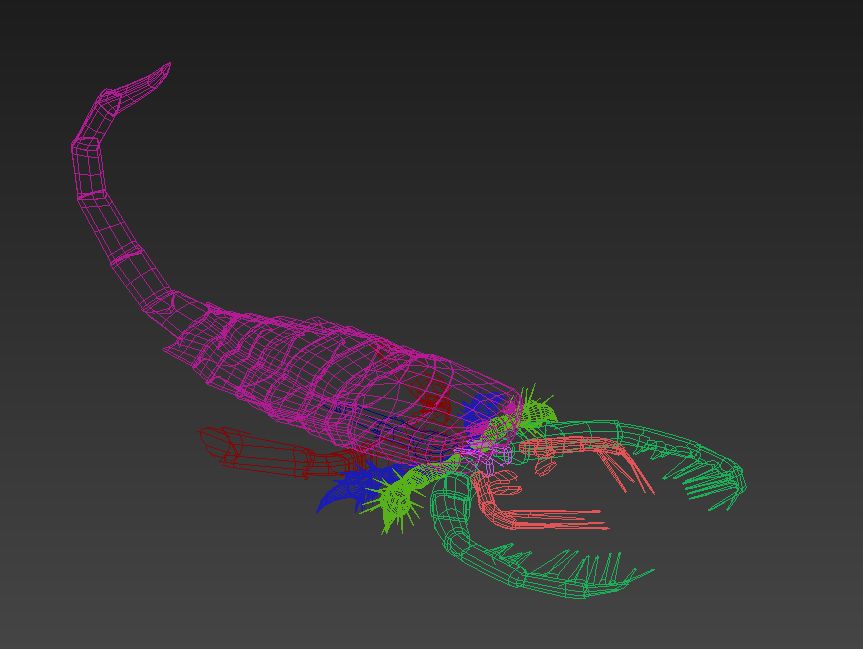
Eurypterid sea scorpion modèle 3D
0


Licence Libre de DroitsToutes les utilisations prolongées
Retours simples
Garantie du meilleur prix
Fonctionne hors de la boîte
2
visites

Proposé par
CrisaliD
Caractéristiques
- Géométriepolygonal
- Des polygones798,421
- Sommets421,445
- Les texturesYes
- GrééNo
- AniméNo
- Prêt pour l'impression 3DNo
- Jeu Prêt (low poly)No
- UV mappéYes
- UV non emballésnone
La description
Eurypterids (sea scorpions) are an extinct group of arthropods that are related to arachnids and include the largest known arthropods to have ever lived. They are members of the extinct order Eurypterida (Chelicerata); which is the most diverse Paleozoic chelicerate order in terms of species. The name Eurypterida comes from the Greek words eury- (meaning "broad" or "wide") and pteron (meaning "wing").This name was chosen due to the pair of wide swimming appendages on the first fossil eurypterids discovered. The largest, such as Jaekelopterus, reached 2.5 metres (8 ft 2 in) in length, but most species were less than 20 centimetres (8 in). They were formidable predators that thrived in warm shallow water, in both seas and lakes, from the mid Ordovician to late Permian (460 to 248 million years ago).
Nov 19, 2019
date ajoutée
Feb 10, 2022
dernière mise à jour
Avis
Il n'y a actuellement aucun avis sur ce produit.
Pourquoi ne pas être le premier à briser la glace?