





Pendenti attrattore Lorenz Modello 3D
0


Licenza RoyaltyTutti gli usi estesi
Ritorni semplici
Miglior prezzo garantito
Funziona fuori dalla scatola
0
visite

Inviato da
designsbydesire
specificazioni
- Geometriapolygonal
- poligoni849,066
- vertici225,548
- TexturesNo
- riggedNo
- AnimatoNo
- Prontabile in 3DNo
- Gioco pronto (low poly)No
- UV mappatoYes
- UV non avvoltonone
Descrizione
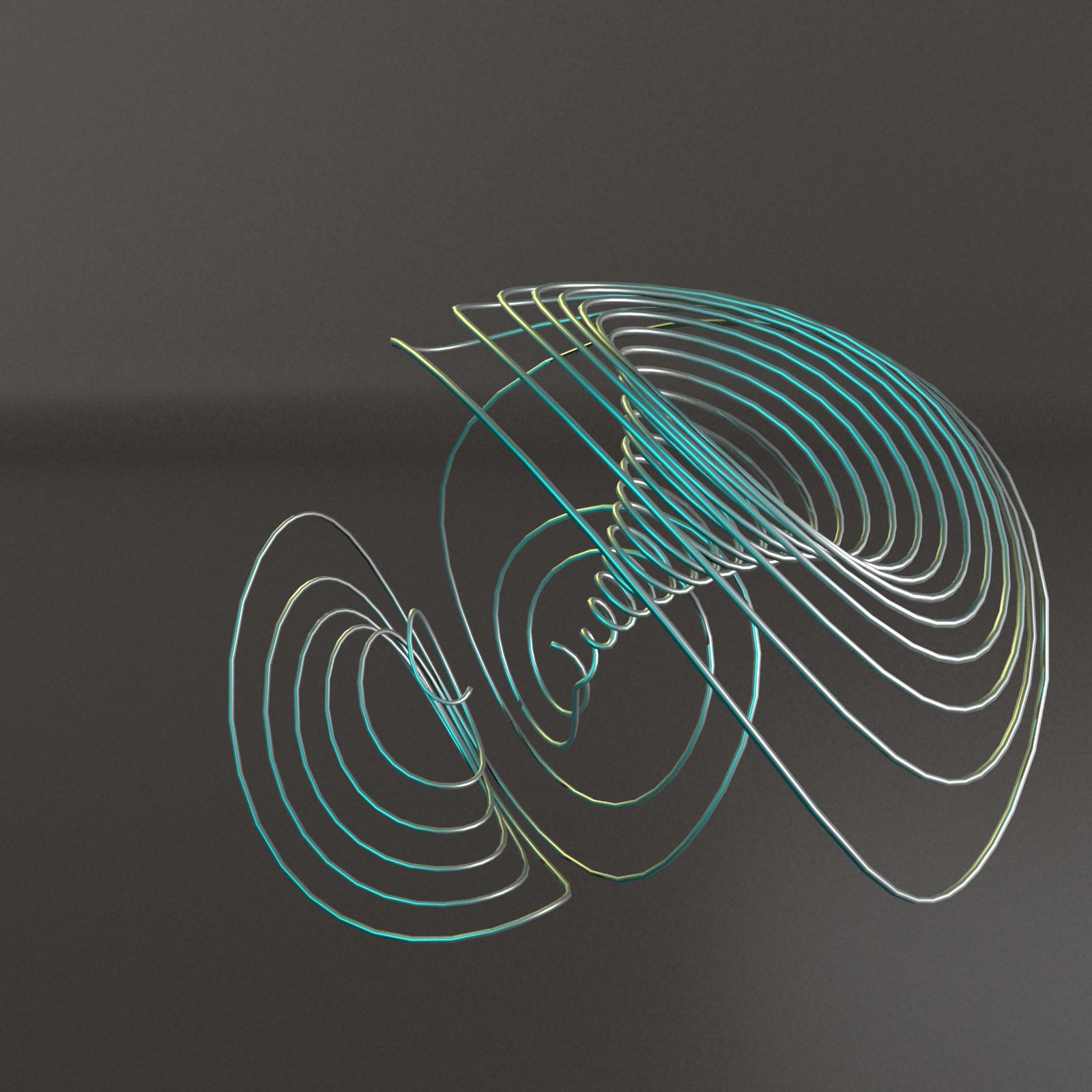
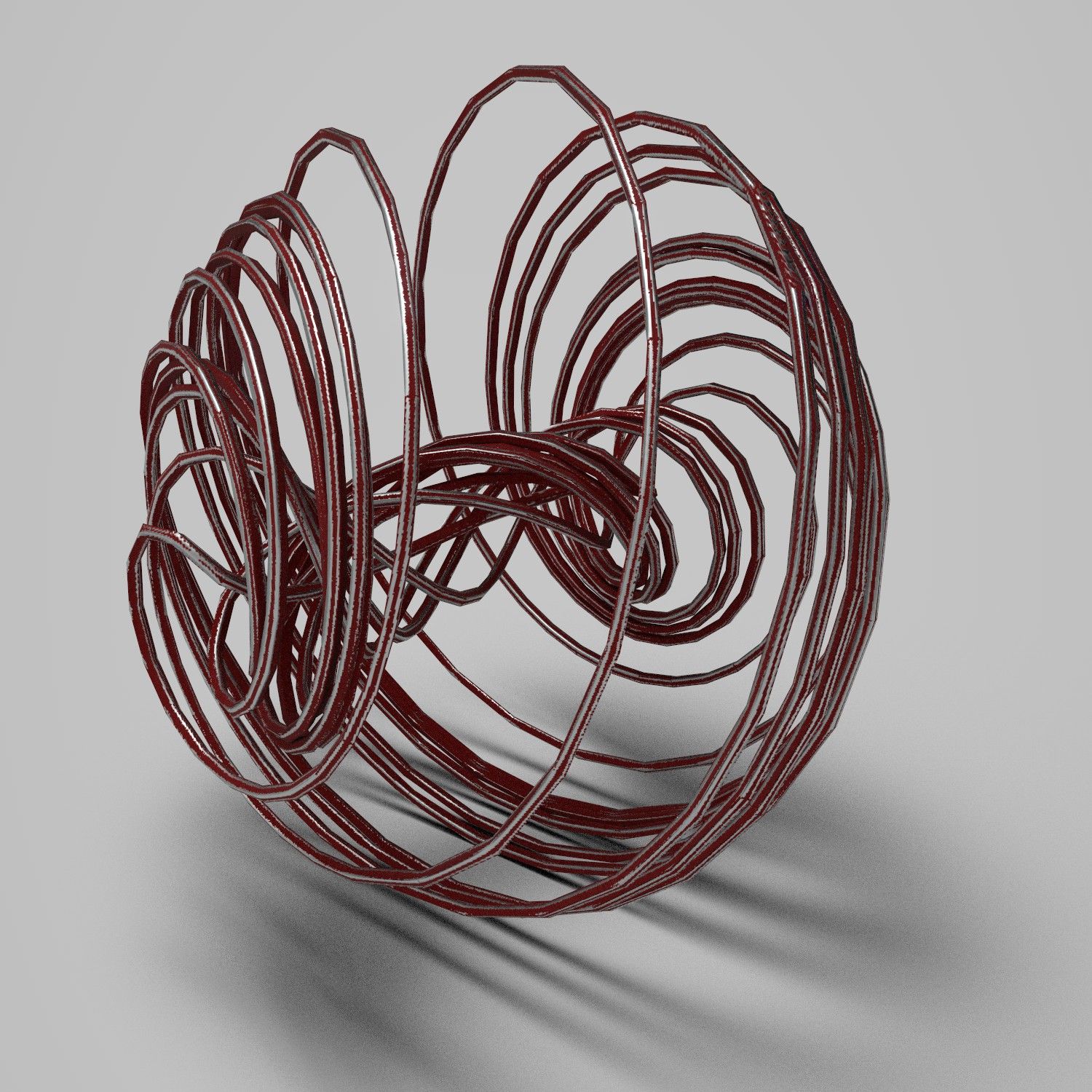
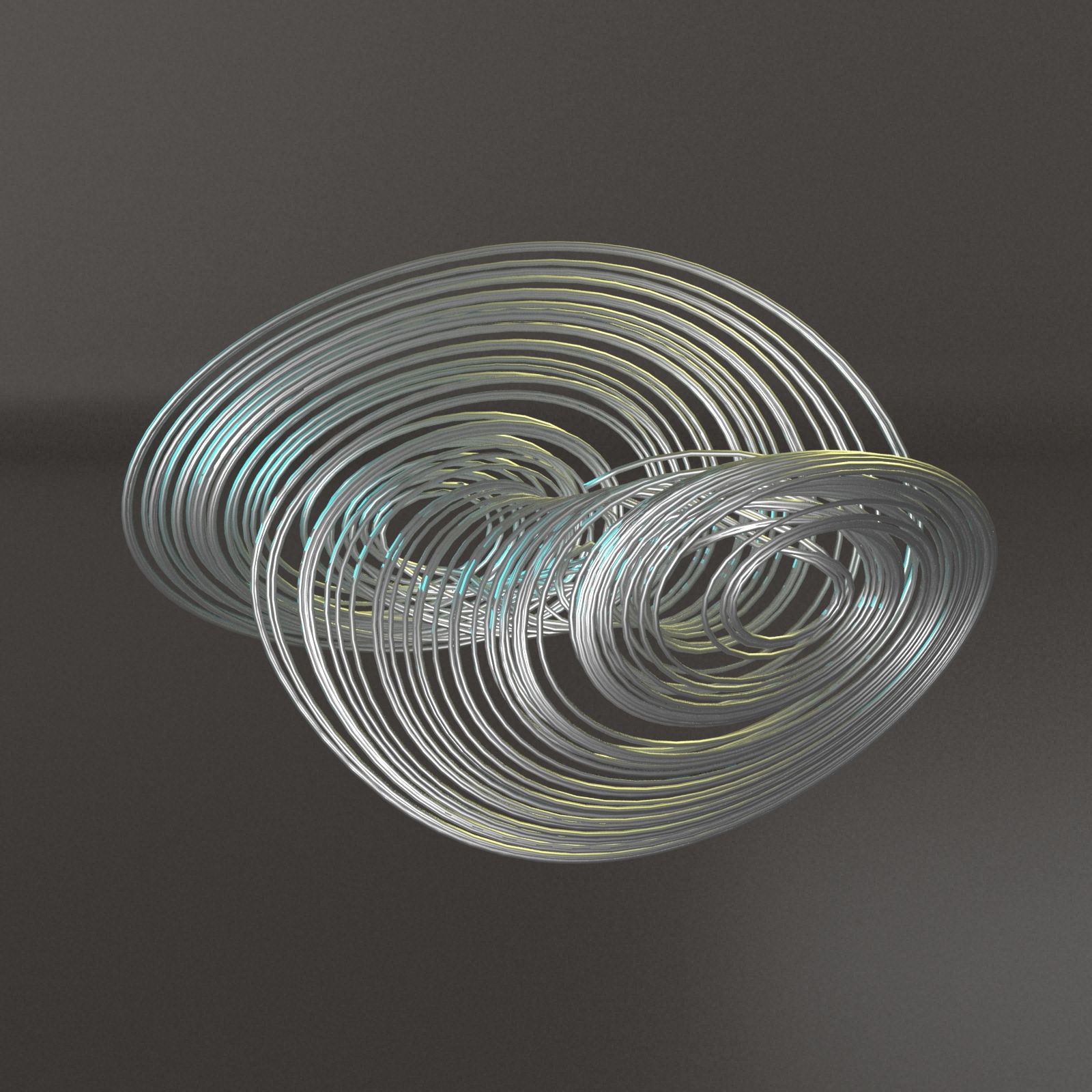
Chaos theory, a mathematical theory, describes the behavior of dynamical systems in which elaborated models depict beautifully ordered structures derived from inherently unpredictable systems. The fluidity of the pendants suggest changing patterns of motion in three-dimensional space and modes of infinity and natural complexity. A celestial light display is a transcendent manifestation of the objects, unique at every angle. Pondering the continuity of time and space, the pendants are pronounced with a sensitive initial state and a pre-determined termination state. The first chaotic model, Lorenz system, unveiled the complex behaviors of the nonlinear dynamical systems. The lighting fixtures follow the topological structure of selected demonstrated attractors such as Sprott, Chen, Chua, and other well-known Lorenz-type and quasi-attractors-type strange attractors. The Sprott and Chen models are three smooth autonomous ordinary differential equations. Sprott has a single quadratic nonlinear term while the famous two-scroll Chen attractor has two. Chuas model has a third-order autonomous circuit demonstrating strange attractors having periodic orbits of different topological types. Also, the designs include a three-scroll unified chaotic system and a single four-scroll attractor. And, the realized fractal shapes include unstable invariant topological cylinders that arent hyperbolic and a sphere with a tube-like structure revolving around its central axis.
*I have uploaded the grasshopper definition and the mathematical equations I used to get the results.
Jun 09, 2020
Data aggiunta
Feb 11, 2022
ultimo aggiornamento
Recensioni
Al momento non ci sono commenti per questo prodotto.
Perché non essere il primo a rompere il ghiaccio?