




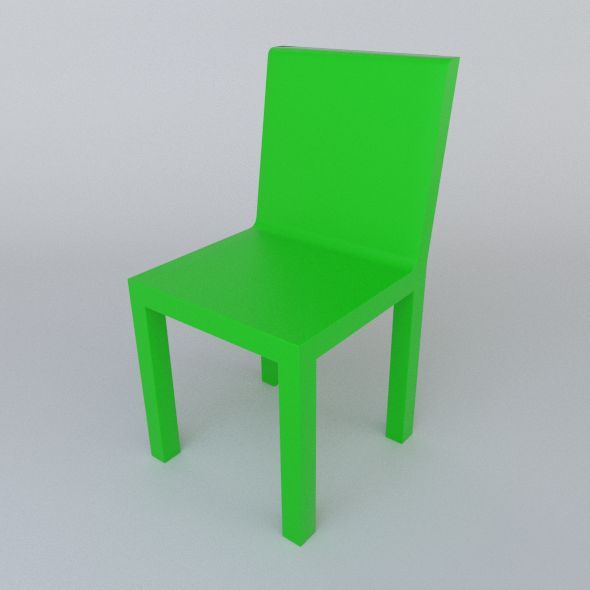
Sedia semplice Modello 3D
0


Licenza RoyaltyTutti gli usi estesi
Ritorni semplici
Miglior prezzo garantito
Funziona fuori dalla scatola
892
visite

Inviato da
PerspectX
specificazioni
- Geometriapolygonal_quads/tris
- poligoni15,248
- vertici15,450
- TexturesYes
- riggedNo
- AnimatoNo
- Prontabile in 3DNo
- Gioco pronto (low poly)No
- UV mappatoYes
- UV non avvoltooverlapping
Descrizione
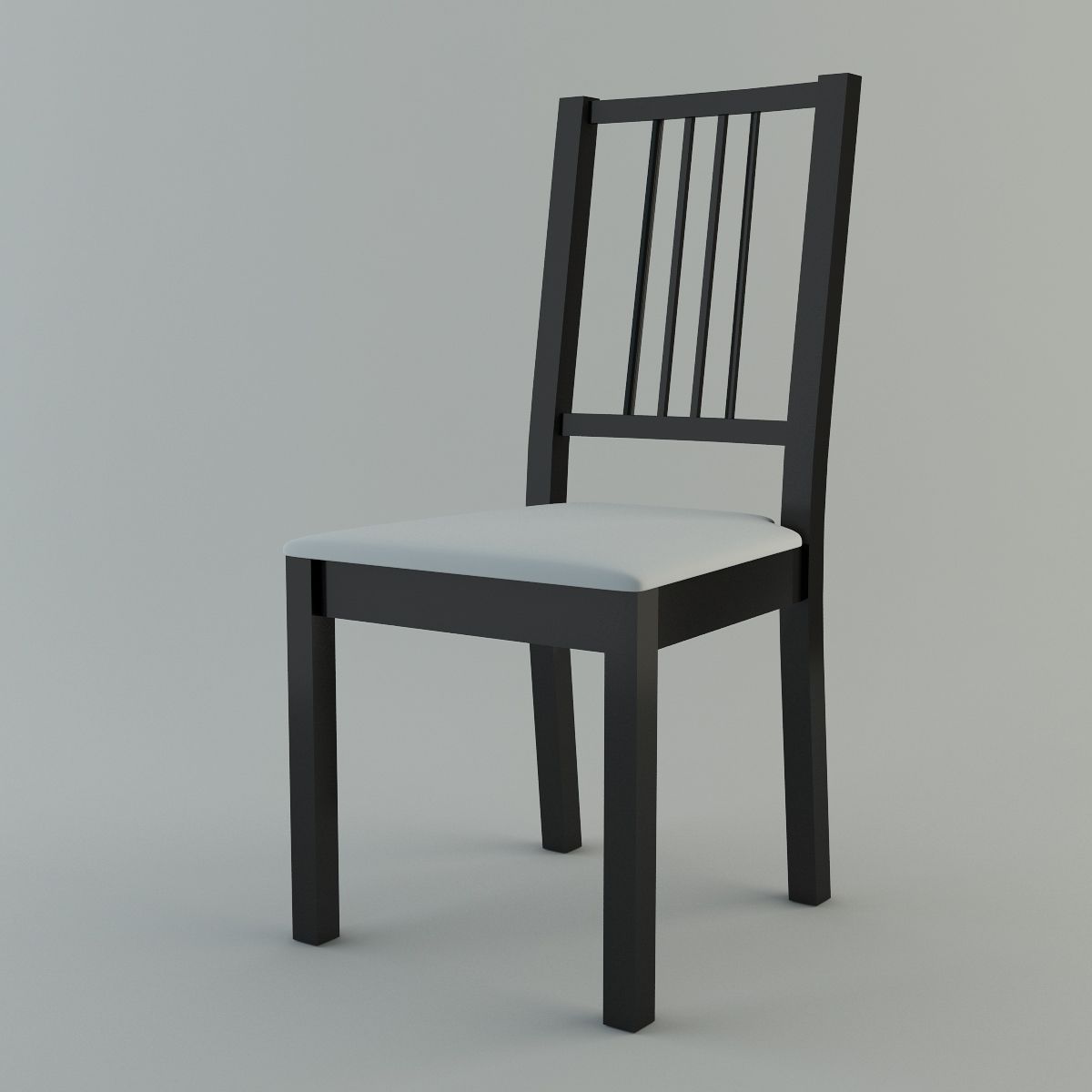
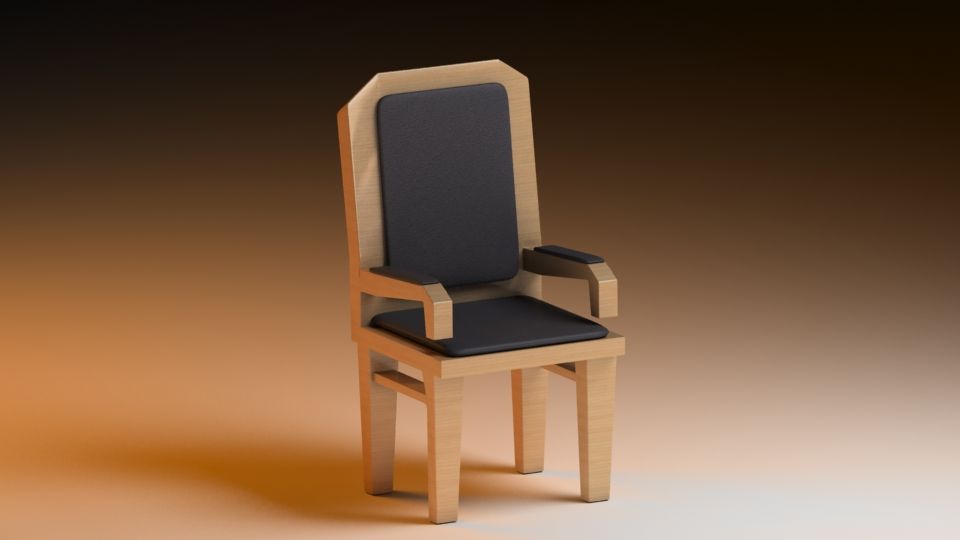
Description A chair is a kind of furniture for sitting, consisting of a back, and sometimes arm rests, commonly for use by one person. Chairs also often have four legs to support the seat raised above the floor. Without back and arm rests it is called a stool. A chair for more than one person is a couch, sofa, settee, loveseat, recliner or bench. A separate footrest for a chair is known as an ottoman, hassock or pouffe. A chair mounted in a vehicle or in a theater is simply called a seat. Chairs as furniture typically can be moved. History The chair is of extreme antiquity. Although for many centuries and indeed for thousands of years it was an article of state and dignity rather than an article of ordinary use. "The chair" is still extensively used as the emblem of authority in the House of Commons in the United Kingdom and Canada, and in many other settings. Committees, boards of directors, and academic departments all have a "chairperson". Endowed professorships are referred to as chairs. It was not, in fact, until the 16th century that it became common anywhere. The chest, the bench and the stool were until then the ordinary seats of everyday life, and the number of chairs which have survived from an earlier date is exceedingly limited; most of such examples are of ecclesiastical or seigneurial origin. Our knowledge of the chairs of remote antiquity is derived almost entirely from monuments, sculpture and paintings. A few actual examples exist in the British Museum, in the Egyptian Museum at Cairo, and elsewhere.
Descrizione Una sedia è un tipo di arredamento per sedersi, composto da schienale e talvolta braccioli, comunemente utilizzati da una sola persona. Le sedie hanno anche spesso quattro gambe per sostenere il sedile sollevato sopra il pavimento. Senza schienale e braccioli si chiama uno sgabello. Una sedia per più di una persona è un divano, divano, divano, divanetto, poltrona reclinabile o panca. Un poggiapiedi separato per una sedia è noto come pouf, pouf o pouf. Una sedia montata su un veicolo o in un teatro è semplicemente chiamata sedile. Le sedie come mobili in genere possono essere spostate. Storia La sedia è di antichità estrema. Sebbene per molti secoli e per migliaia di anni sia stato un articolo di stato e dignità piuttosto che un articolo di uso corrente. "La sedia" è ancora ampiamente usata come emblema dell'autorità nella Camera dei Comuni nel Regno Unito e in Canada, e in molti altri contesti. I comitati, i consigli di amministrazione e i dipartimenti accademici hanno tutti un "presidente". Le cattedre private sono indicate come sedie. Non è stato, infatti, fino al 16 ° secolo che è diventato comune ovunque. Il torace, la panca e lo sgabello erano fino ad allora i posti ordinari della vita quotidiana, e il numero di sedie che sono sopravvissute da una data precedente è estremamente limitato; la maggior parte di tali esempi sono di origine ecclesiastica o signorile. La nostra conoscenza delle sedie di remote antichità deriva quasi interamente da monumenti, sculture e dipinti. Alcuni esempi reali esistono nel British Museum, nel Museo Egizio del Cairo e altrove.
Mar 27, 2018
Data aggiunta
Aug 16, 2021
ultimo aggiornamento
Recensioni
Al momento non ci sono commenti per questo prodotto.
Perché non essere il primo a rompere il ghiaccio?