
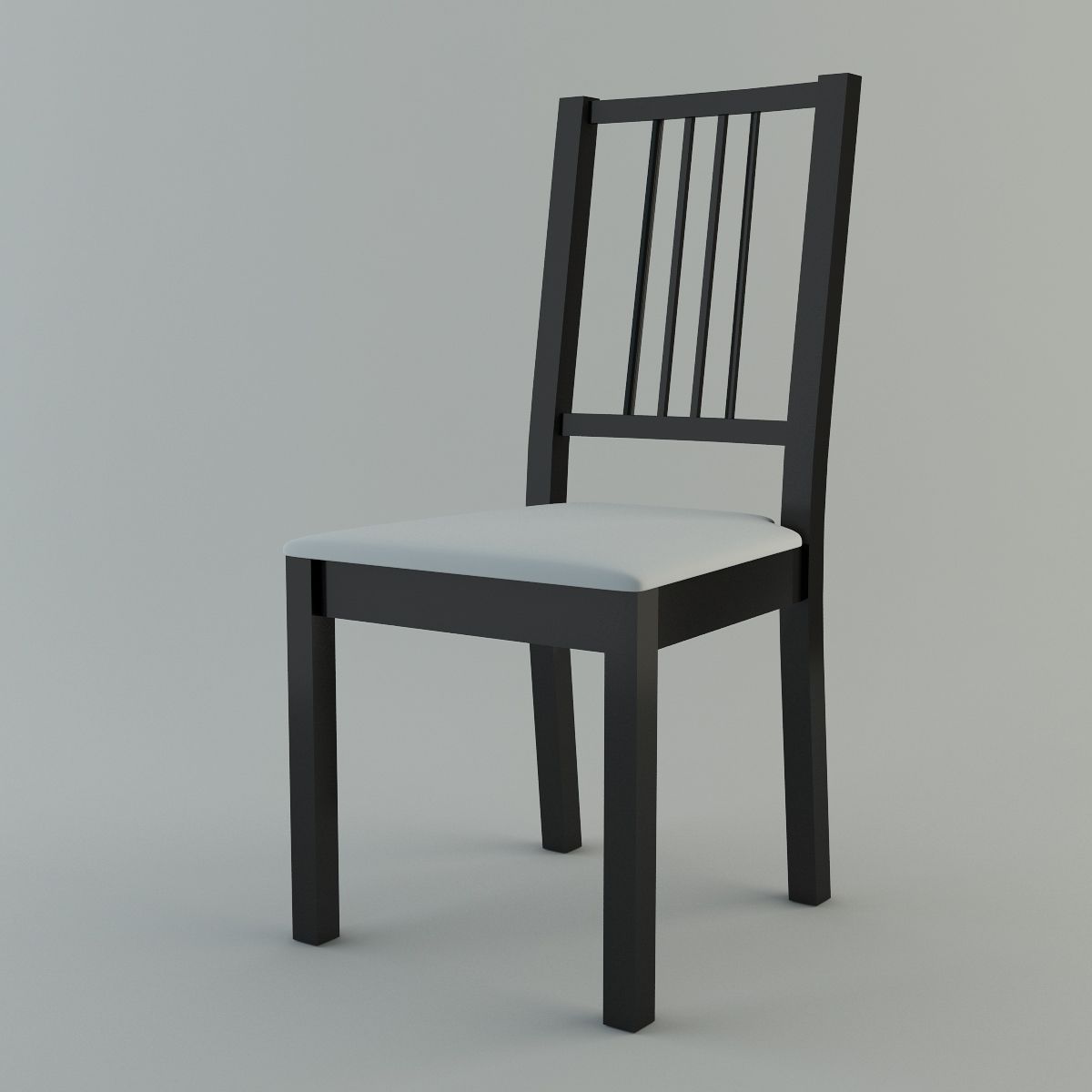
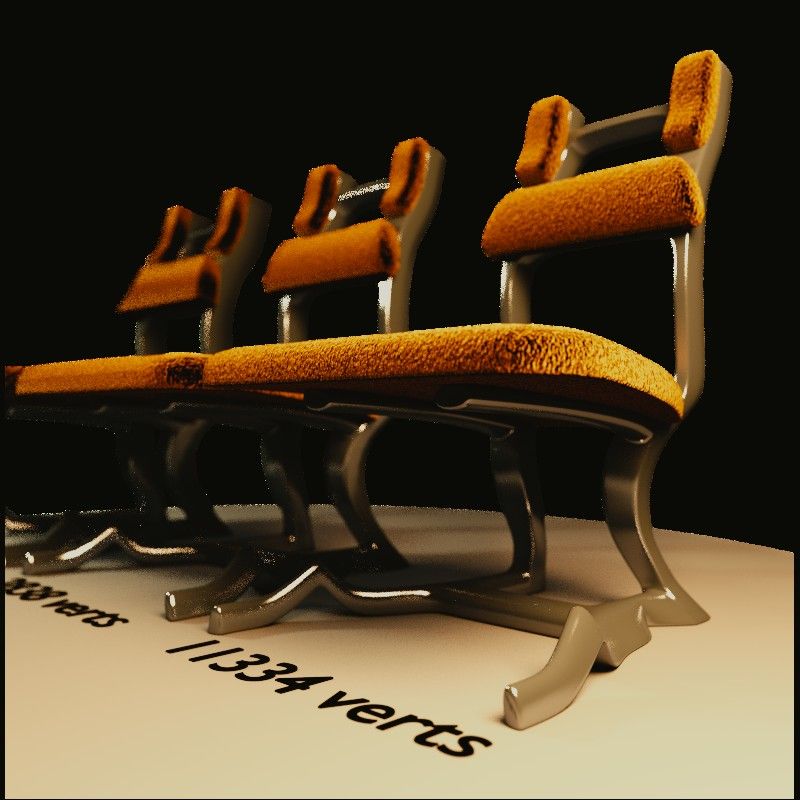
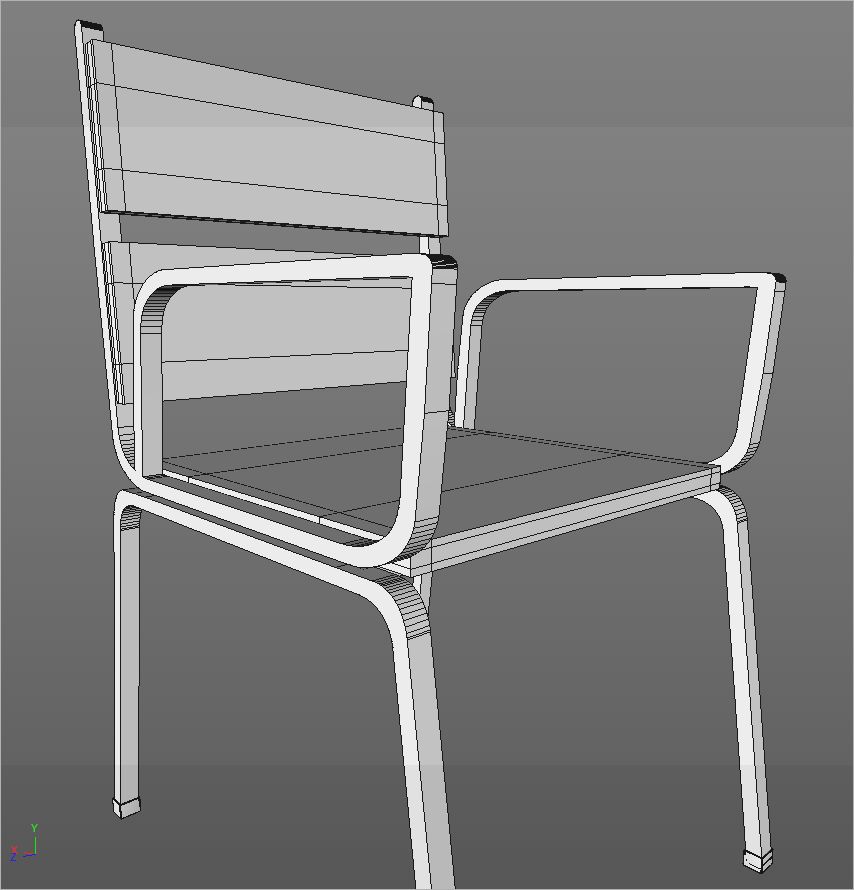


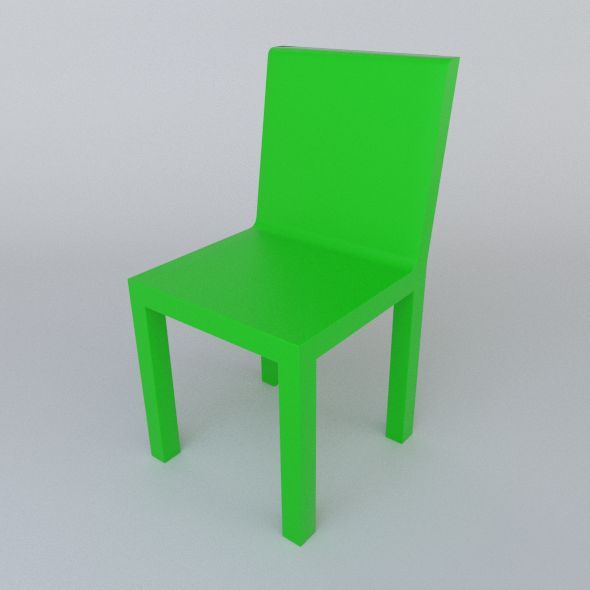

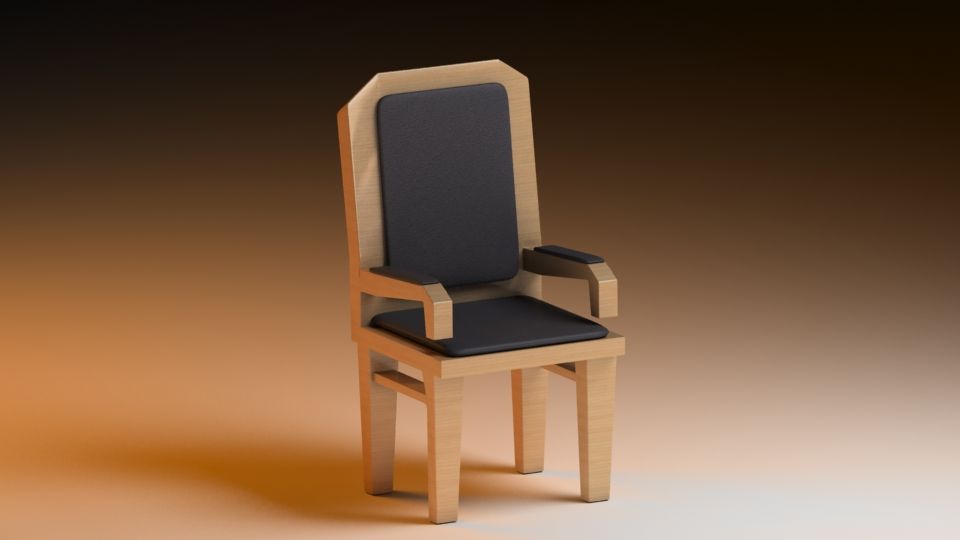
Eenvoudige stoel 3d model
0


Royalty-vrije LicentieAlle uitgebreide toepassingen
Eenvoudig rendement
Beste prijsgarantie
Werkt uit de doos
892
bezoeken

Ingezonden door
PerspectX
bestek
- Geometriepolygonal_quads/tris
- polygonen15,248
- hoekpunten15,450
- texturesYes
- opgetuigdNo
- AnimatedNo
- Geschikt voor 3D-afdrukNo
- Game Ready (laag poly)No
- UV-gemappedYes
- Onverpakte UV'soverlapping
Omschrijving
Description A chair is a kind of furniture for sitting, consisting of a back, and sometimes arm rests, commonly for use by one person. Chairs also often have four legs to support the seat raised above the floor. Without back and arm rests it is called a stool. A chair for more than one person is a couch, sofa, settee, loveseat, recliner or bench. A separate footrest for a chair is known as an ottoman, hassock or pouffe. A chair mounted in a vehicle or in a theater is simply called a seat. Chairs as furniture typically can be moved. History The chair is of extreme antiquity. Although for many centuries and indeed for thousands of years it was an article of state and dignity rather than an article of ordinary use. "The chair" is still extensively used as the emblem of authority in the House of Commons in the United Kingdom and Canada, and in many other settings. Committees, boards of directors, and academic departments all have a "chairperson". Endowed professorships are referred to as chairs. It was not, in fact, until the 16th century that it became common anywhere. The chest, the bench and the stool were until then the ordinary seats of everyday life, and the number of chairs which have survived from an earlier date is exceedingly limited; most of such examples are of ecclesiastical or seigneurial origin. Our knowledge of the chairs of remote antiquity is derived almost entirely from monuments, sculpture and paintings. A few actual examples exist in the British Museum, in the Egyptian Museum at Cairo, and elsewhere.
Mar 27, 2018
Datum toegevoegd
Aug 16, 2021
laatste update
beoordelingen
Er zijn momenteel geen beoordelingen voor dit product.
Waarom niet de eerste zijn om het ijs te breken?
