




TN5 Transposase 3d model
0


Royalty-vrije LicentieAlle uitgebreide toepassingen
Eenvoudig rendement
Beste prijsgarantie
Werkt uit de doos
487
bezoeken

Ingezonden door
MichaelTaylor3D
bestek
- Geometriepolygonal
- polygonen504,674
- hoekpunten261,702
- texturesYes
- opgetuigdNo
- AnimatedNo
- Geschikt voor 3D-afdrukNo
- Game Ready (laag poly)No
- UV-gemappedNo
- Onverpakte UV'sunknown
Omschrijving
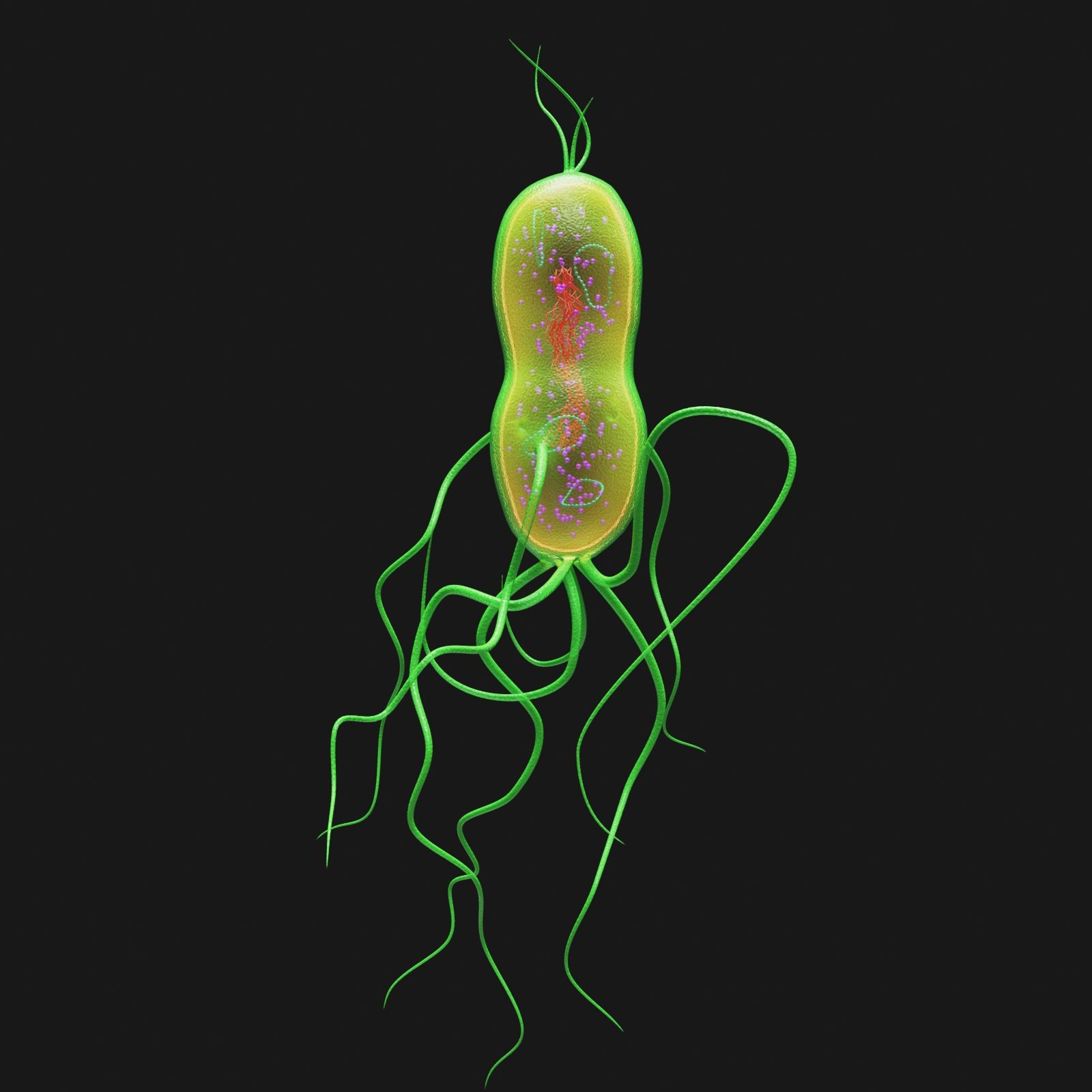
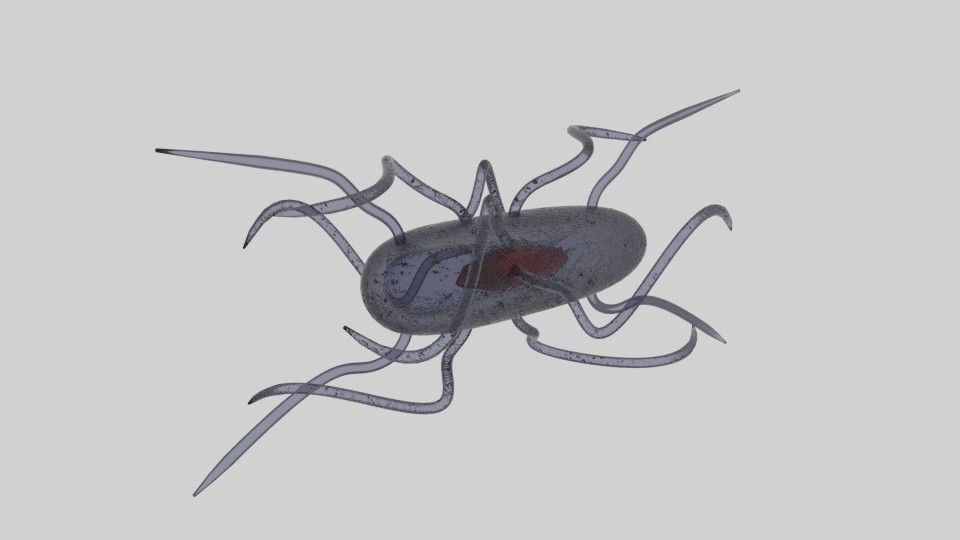
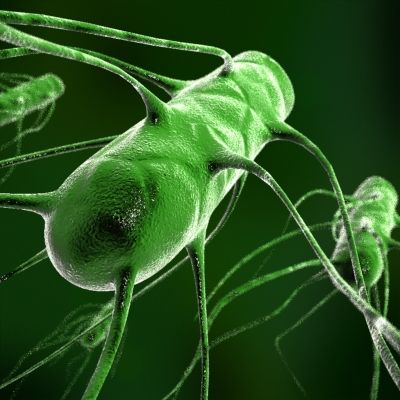
This is an scientifically accurate representation of an enzyme in High Definition.
Enzymes are proteins that catalyze (i.e., increase the rates of) chemical reactions. In enzymatic reactions, the molecules at the beginning of the process are called substrates, and the enzyme converts them into different molecules, called the products. Almost all processes in a biological cell need enzymes to occur at significant rates. Since enzymes are selective for their substrates and speed up only a few reactions from among many possibilities, the set of enzymes made in a cell determines which metabolic pathways occur in that cell.
Transposase Tn5 is a member of the RNase superfamily of proteins which includes retroviral integrases. Tn5 can be found in Shewanella and Escherichia bacteria. The transposon codes for antibiotic resistance to kanamycin and other aminoglycoside antibiotics.
Tn5 and other transposases are notably inactive. Because DNA transposition events are inherently mutagenic, the low activity of transposases is necessary to reduce the risk of causing a fatal mutation in the host, and thus eliminating the transposable element. One of the reasons Tn5 is so unreactive is because the N- and C-termini are located in relatively close proximity to one another and tend to inhibit each other. This was elucidated by the characterization of several mutations which resulted in hyperactive forms of transposases. One such mutation, L372P, is a mutation of amino acid 372 in the Tn5 transposase. This amino acid is generally a leucine residue in the middle of an alpha helix. When this leucine is replaced with a proline residue the alpha helix is broken, introducing a conformational change to the C-Terminal domain, separating it from the N-Terminal domain enough to promote higher activity of the protein. The transposition of a transposon often needs only three pieces: the transposon, the transposase enzyme, and the target DNA for the insertion of the transposon.This is the case with Tn5, which uses a cut-and-paste mechanism for moving around transposons.
Jul 13, 2018
Datum toegevoegd
Jan 24, 2022
laatste update
beoordelingen
Er zijn momenteel geen beoordelingen voor dit product.
Waarom niet de eerste zijn om het ijs te breken?