


Satélite Ambiental CALIPSO Modelo 3D
0




Licença isenta de direitosApenas editorial
Retornos simples
Melhor Preço Garantido
Trabalha fora da caixa
0
visitas

Enviado por
Infinite3dfx
Especificações
- Geometriapolygonal_ngons used
- Polígonos37,286
- Vértices123,064
- TexturasYes
- RiggedYes
- AnimadoYes
- Pronto para impressão em 3DNo
- Jogo pronto (baixo poli)No
- Mapeado por UVYes
- UVs não enroladosnone
Descrição
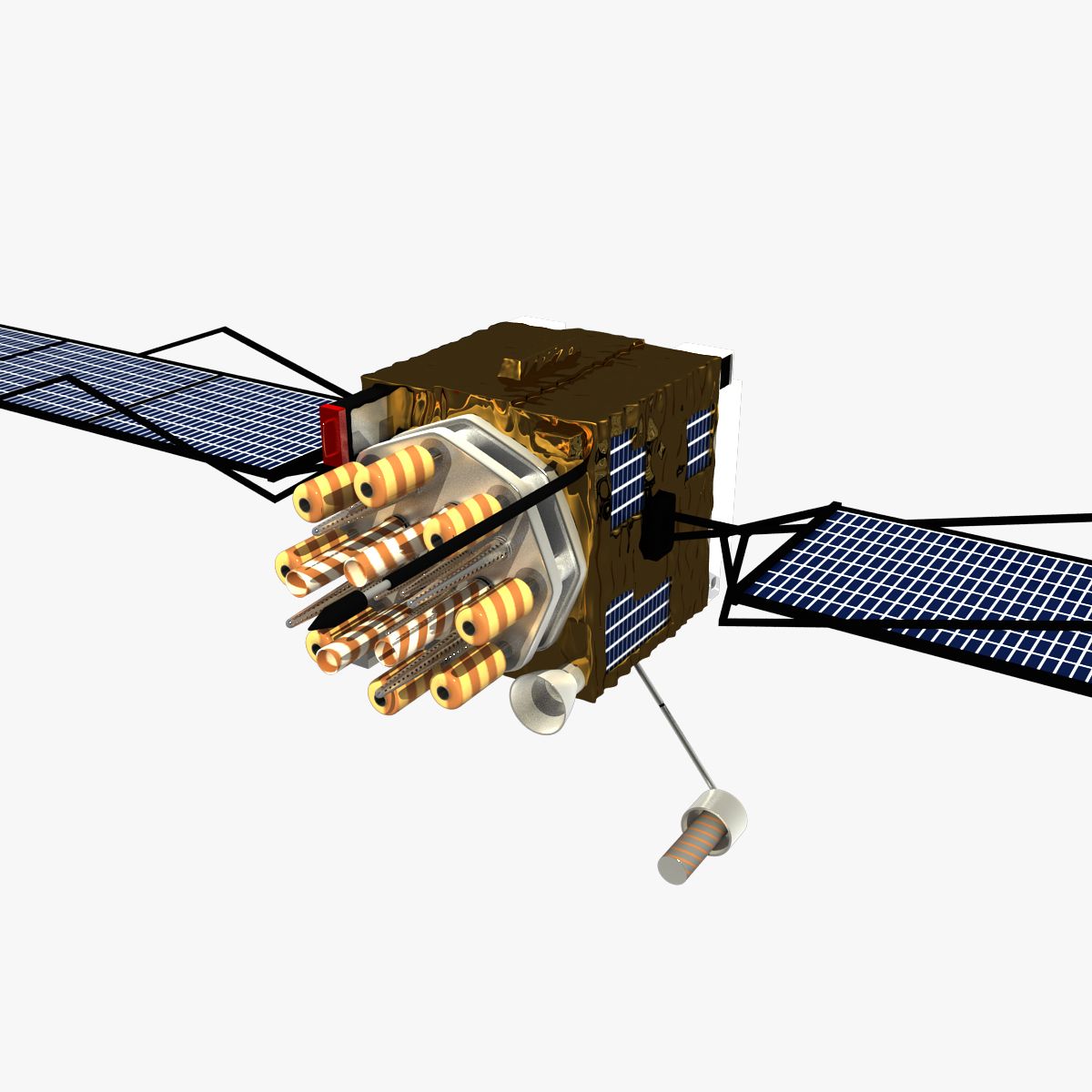
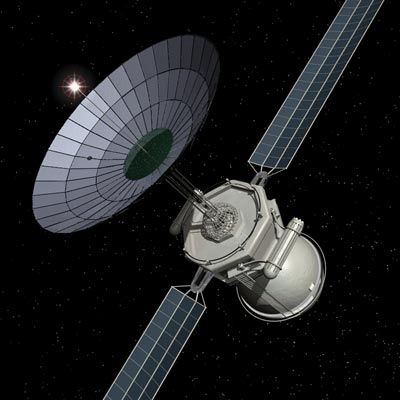
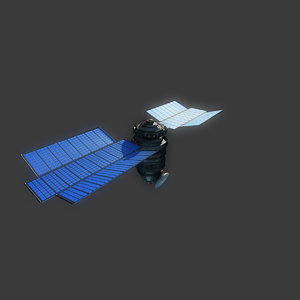
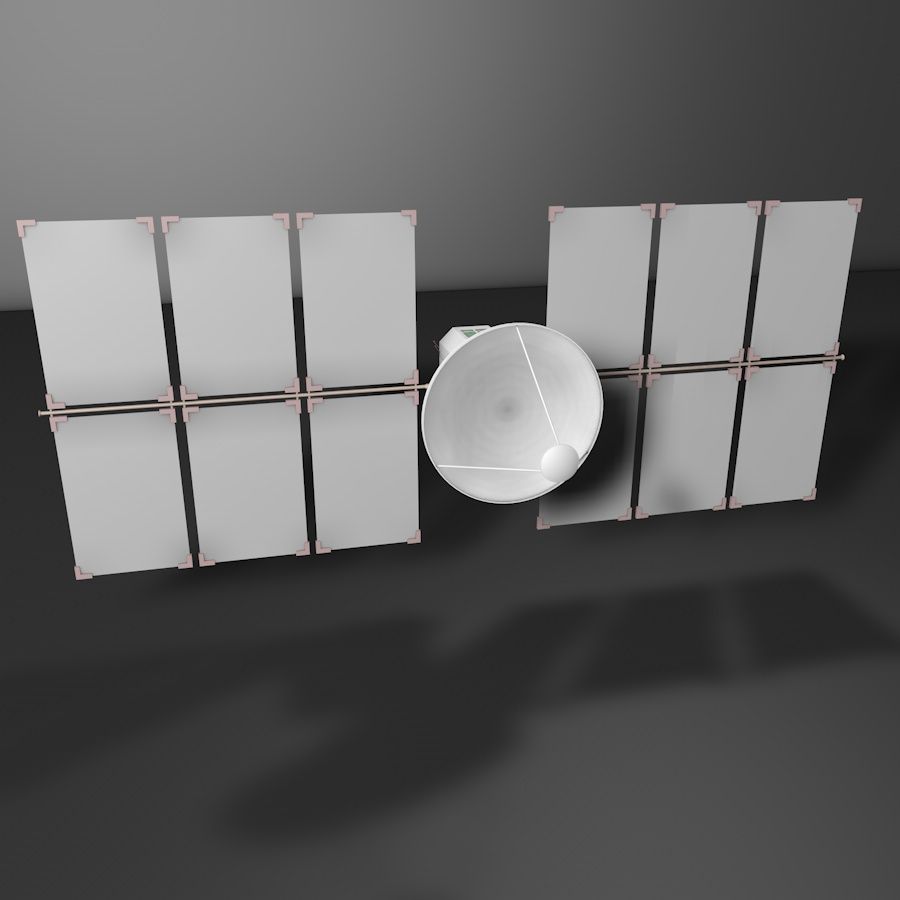
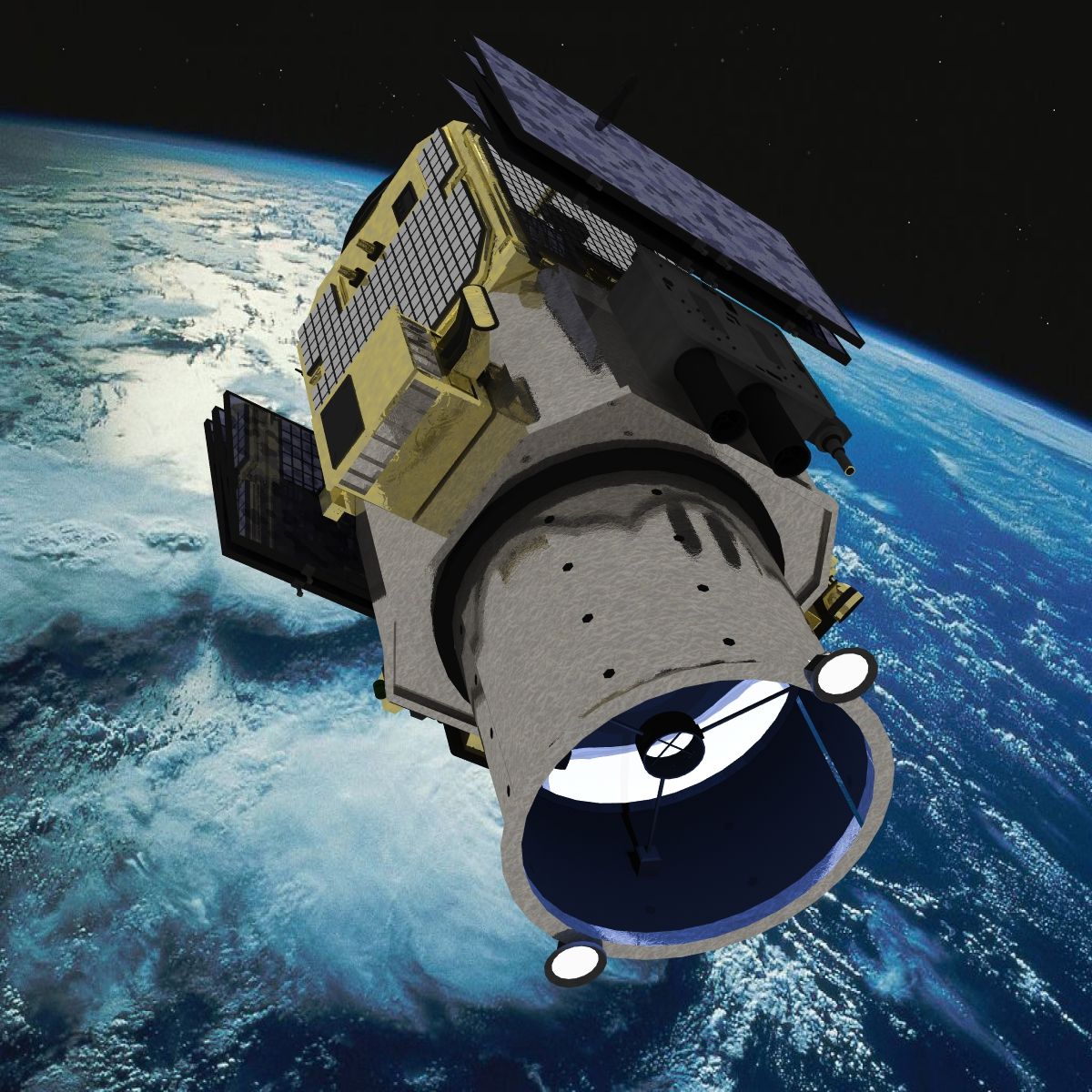
This is a detailed model of the CALIPSO environmental satellite.
Note: Two scenes are included with this product:
(1) Animated version where the solar panels deploy.
(2) A static version in which the panels are fully deployed.
The solar deployment system objects listed below.
(1) Calipso-Body - P
(1) Solar-Panels-Pivots - H
(2) Solar-Panel-Arms - H
(2) Solar-Panel-Start - H
(4) Solar-Panel-Mid - H
(1) Solar-Panel-End - H
The CALIPSO is a joint NASA and CNES project.
The Cloud-Aerosol Lidar and Infrared Pathfinder Satellite Observation (CALIPSO) satellite provides new insight into the role that clouds and atmospheric aerosols (airborne particles) play in regulating Earth's weather, climate, and air quality.
CALIPSO combines an active lidar instrument with passive infrared and visible imagers to probe the vertical structure and properties of thin clouds and aerosols over the globe. CALIPSO was launched on April 28, 2006 with the cloud profiling radar system on the CloudSat satellite.
CALIPSO and CloudSat are highly complementary and together provide new, never-before-seen 3-D perspectives of how clouds and aerosols form, evolve, and affect weather and climate. CALIPSO and CloudSat fly in formation with three other satellites in the A-train constellation to enable an even greater understanding of our climate system from the broad array of sensors on these other spacecraft.
CALIPSO is a joint U.S. (NASA) and French (Centre National d'Etudes Spatiales/CNES) satellite mission that has been in operation for four years
Nov 13, 2021
data adicionada
Apr 19, 2024
última atualização
Rever
Atualmente não há comentários para este produto.
Por que não ser o primeiro a quebrar o gelo?