






Range Rover Evoque 2016 modelo 3d
0


Licencia Libre de DerechosSolo editorial
Devoluciones simples
Mejor precio garantizado
Trabaja fuera de la caja
0
visitas

Presentado por
HKV Studios
Presupuesto
- Geometríapolygonal_quads/tris
- Poligonos145,462
- Vértices163,945
- TexturasYes
- AparejadoNo
- AnimadoNo
- Listo para imprimir en 3DNo
- Juego listo (polietileno baja)No
- Mapeado UVYes
- UV sin envolvermixed
Descripción
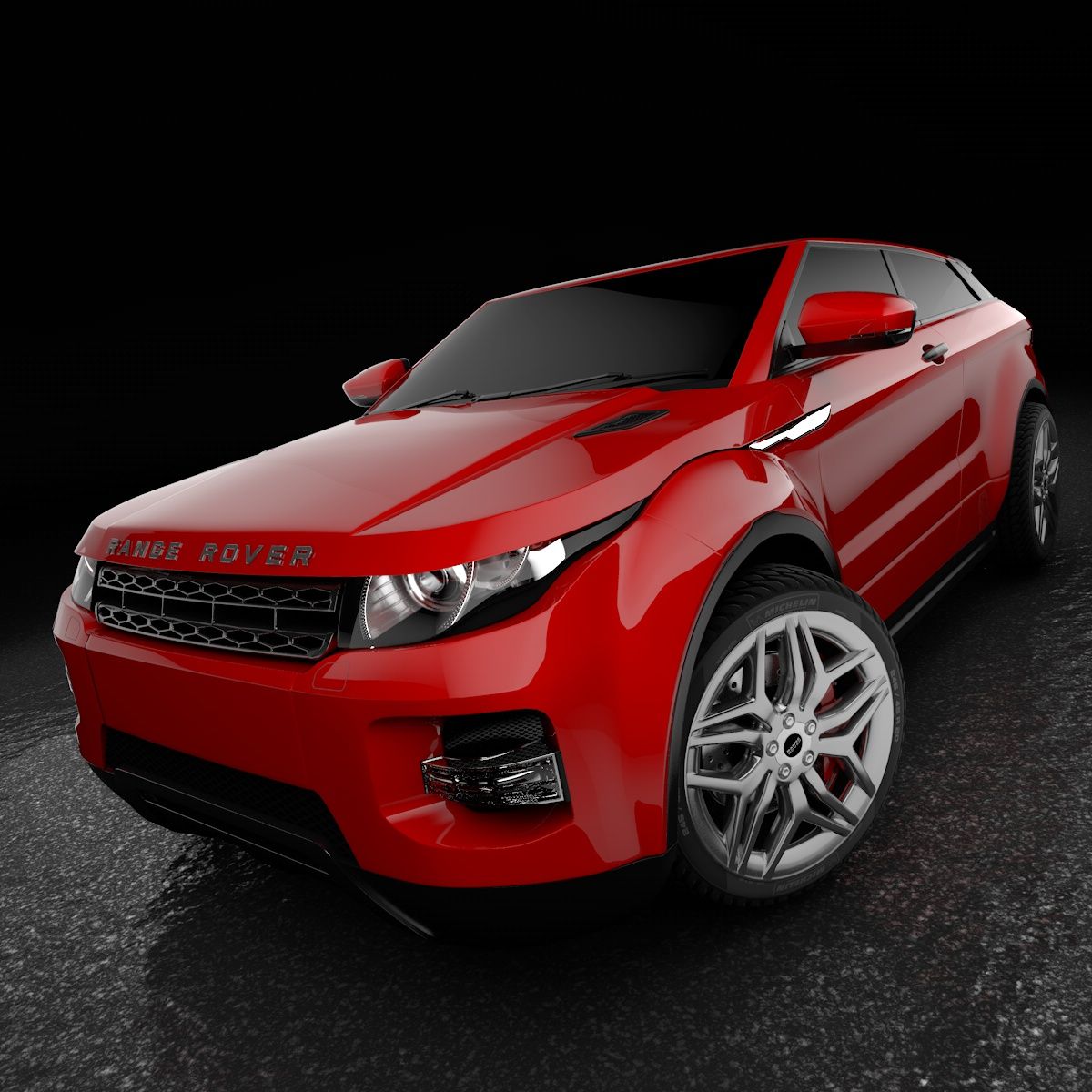
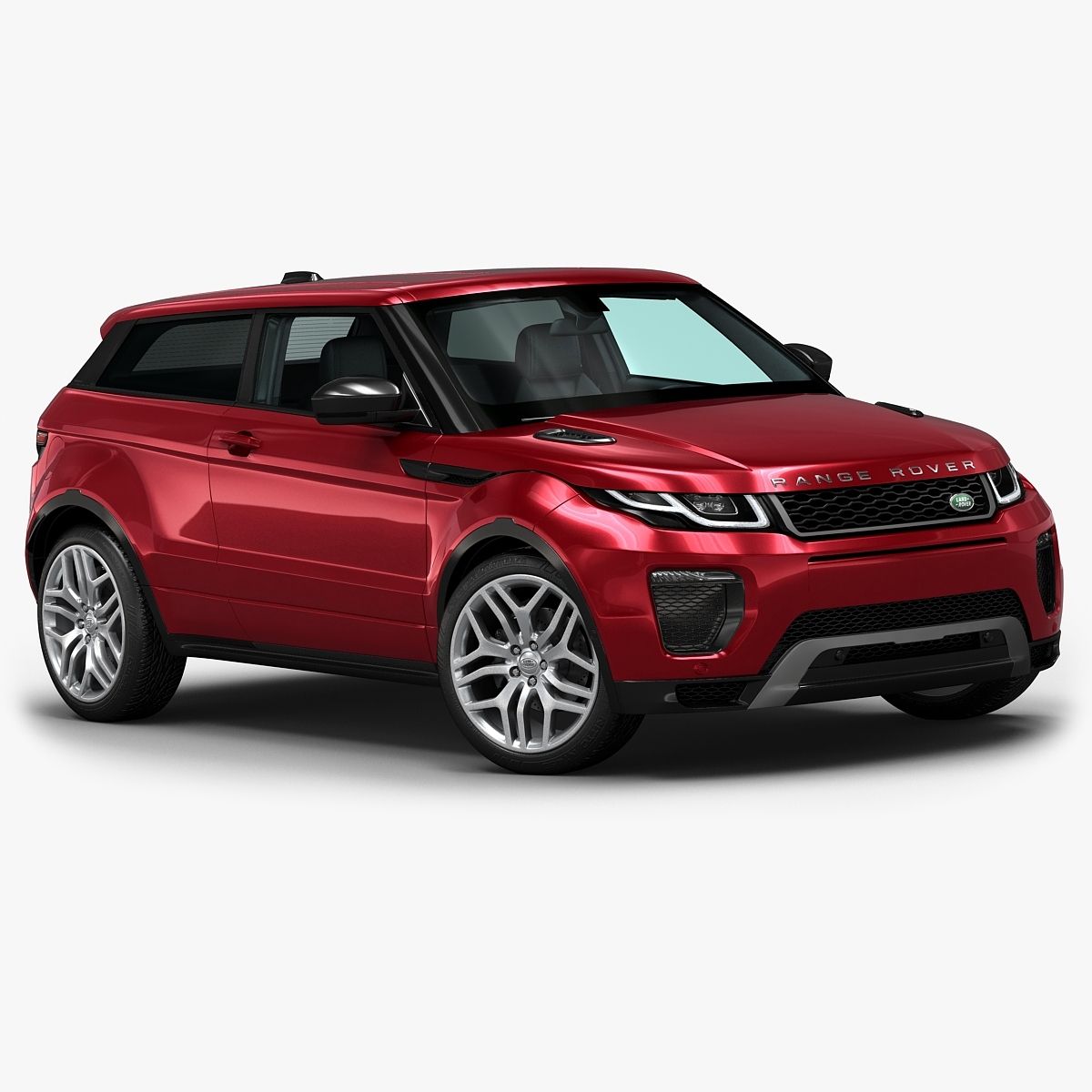
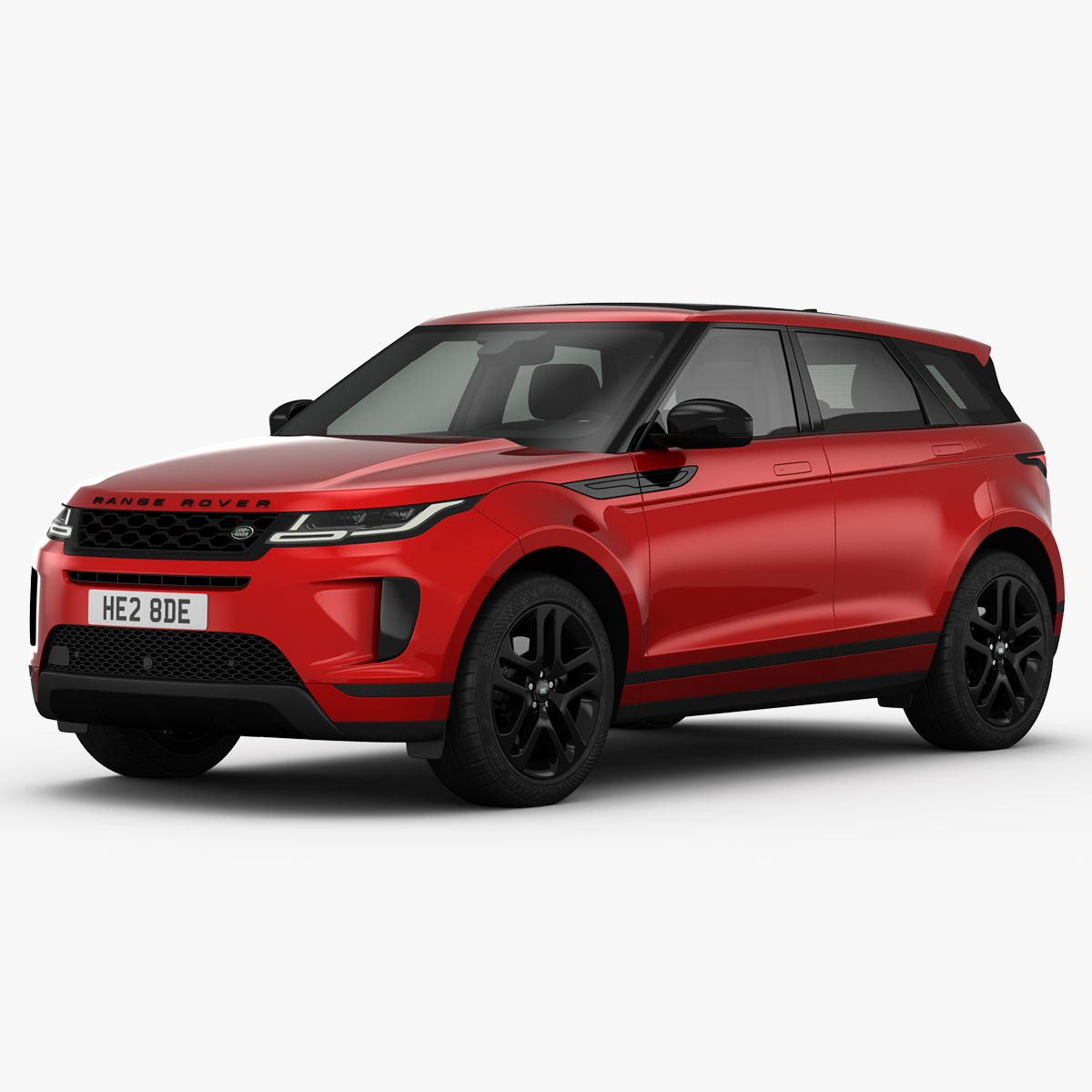
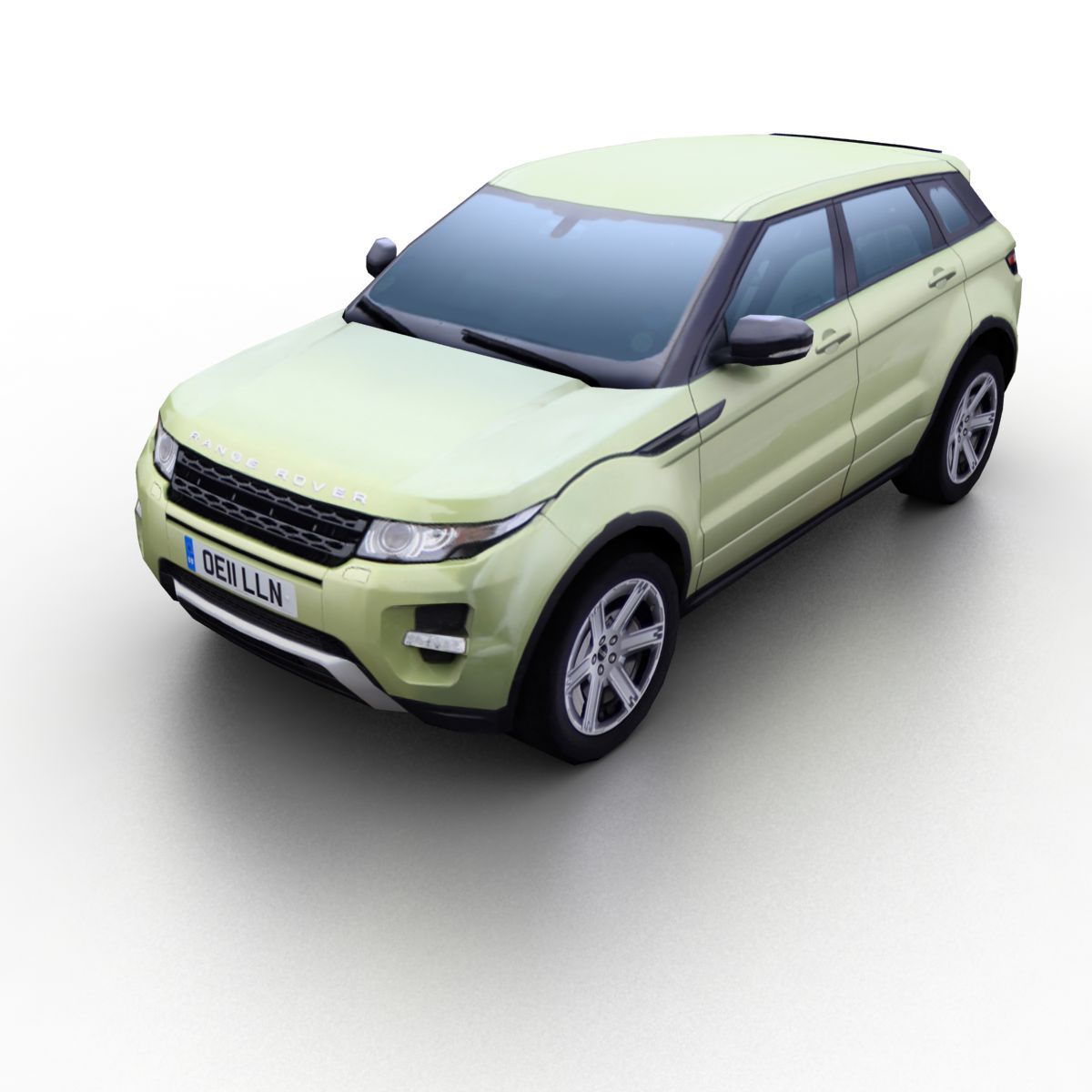
High detailed 3D model of 2016 Range Rover Evoque with interior.
Main features:
- Originally created with 3ds Max 2015
- Two .MAX files with V-Ray and Standard 3ds Max materials
- Two .MB files with V-Ray and Standard Maya materials
- Subdivision modifier is available in the history for .MAX, .MB and .C4D file formats (subdivision iteration 1 is set for all objects). So you can get access to original non-smoothed mesh by deactivating the Subdivision modifier
- Separate objects like body, wheels and doors. Total number of objects is 21. All objects are intelligently named
- Doors can be opened
- Unit system is set to metric (millimeters). Real-world scale
- All textures and materials are included and assigned
- 8 textures, which vary in resolution from 86x87px to 3072x3072px
- Windshield, rear window and back side windows are using high resolution transparency mask texture
- Previews rendered in 3ds Max 2015 with V-Ray 3.50.04
Special notes:
- .OBJ format is recommended for import in other 3d software. If your software doesn't support .OBJ format, please use .3ds format; .OBJ format was exported from 3ds Max. The geometry for .OBJ format is set to quads
- .MAX files can be loaded in 3ds Max 2015 or higher. In order to use V-Ray rendering setups and materials, V-Ray 3.50.04 or higher is needed. V-Ray shaders and render setups are backwards compatible, so you can use V-Ray 2.0 or higher
- .MB files can be loaded in Autodesk Maya 2015 or higher. In order to use V-Ray rendering setups and materials in Maya, V-Ray 3.10.01 or higher is needed. Maya V-Ray renders are similar to 3ds Max V-Ray rendered previews, but not identical
- .C4D file can be loaded in MAXON Cinema4D R17 or higher. Only standard Cinema4D materials and Standard renderer used. Material reflections are set up using the new Reflectance channel introduced in R16
Polycounts:
- .MAX format (only one file included with MeshSmooth iteration 1 applied to all objects):
no MeshSmooth: 145,462 faces and 163,945 vertices
MeshSmooth iteration 1: 580,541 faces and 618,907 vertices
MeshSmooth iteration 2: 2,322,164 faces and 2,398,989 vertices
- .MB format (only one file included with Subdivision iteration 1 applied to all objects):
no Subdivision: 145,462 faces and 163,945 vertices
Subdivision iteration 1: 580,541 faces and 618,907 vertices
Subdivision iteration 2: 2,322,164 faces and 2,398,989 vertices
- .C4D format (only one file included with Subdivision iteration 1 applied to all objects):
no Subdivision: 145,462 faces and 163,945 vertices
Subdivision iteration 1: 580,541 faces and 618,907 vertices
Subdivision iteration 2: 2,322,164 faces and 2,398,989 vertices
- .FBX and .OBJ formats (3 files included for each format):
low: 145,462 faces and 163,945 vertices
medium: 580,541 faces and 618,907 vertices
high: 2,322,164 faces and 2,398,989 vertices
- .3DS format (3 files included):
low: 289,617 faces and 259,324 vertices
medium: 1,161,082 faces and 799,283 vertices
high: 4,644,328 faces and 2,778,804 vertices
Sep 13, 2020
Fecha Agregada
Feb 03, 2025
última actualización
Opiniones
Actualmente no hay opiniones para este producto.
¿Por qué no ser el primero en romper el hielo?